
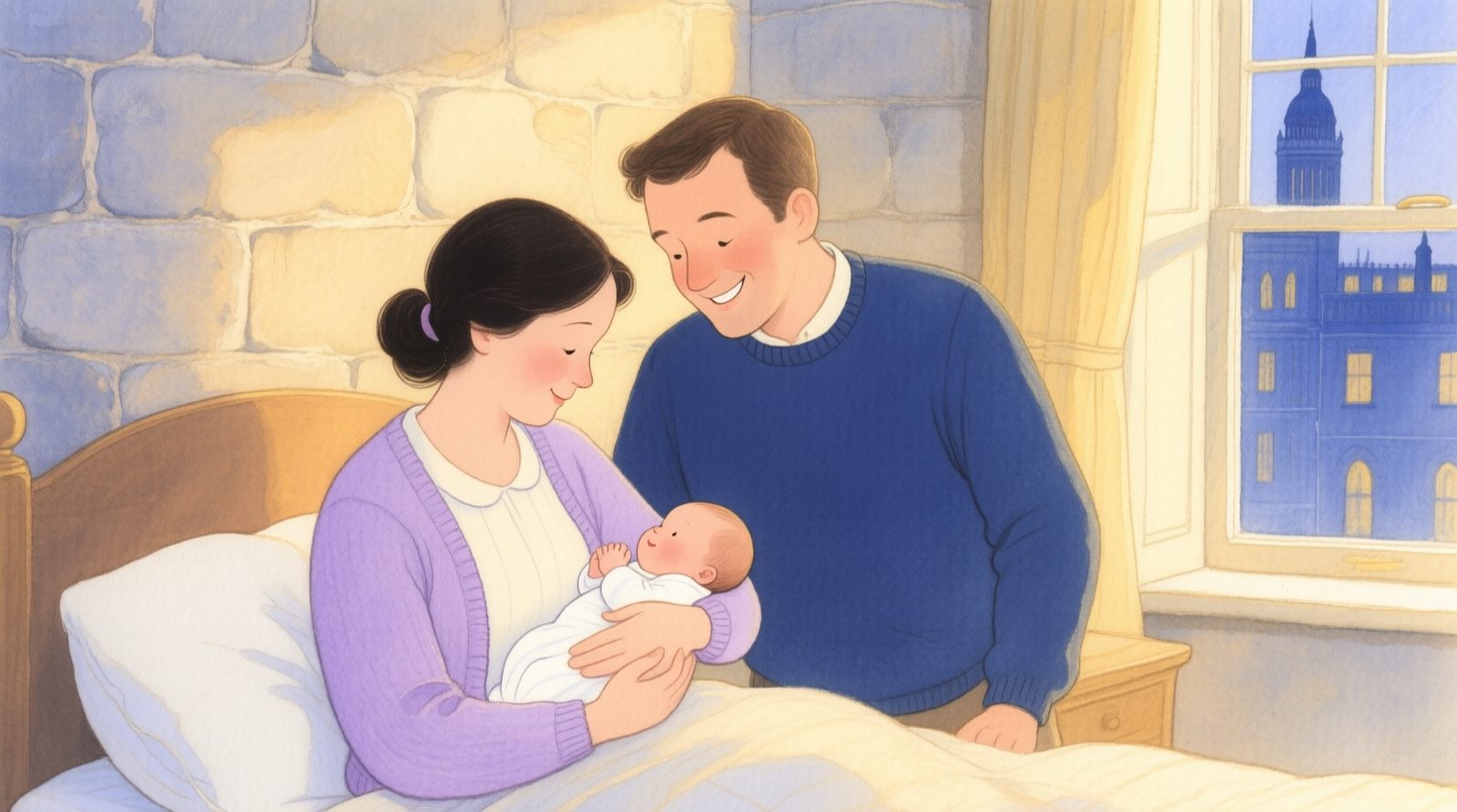
On May 3, 1991, in London, England, a baby named Carlo was born. His parents, Andrea and Antonia Acutis, soon moved with him to Milan, Italy, where Carlo would grow up. Milan is a big, modern city, full of buildings, cars, and computers, very different from the ancient villages where so many saints of other times lived.
Carlo's family was wealthy. His parents ran a successful business, and the boy could have almost anything he wanted. But from the time he was very small, there was something different about Carlo, something no one could quite explain.
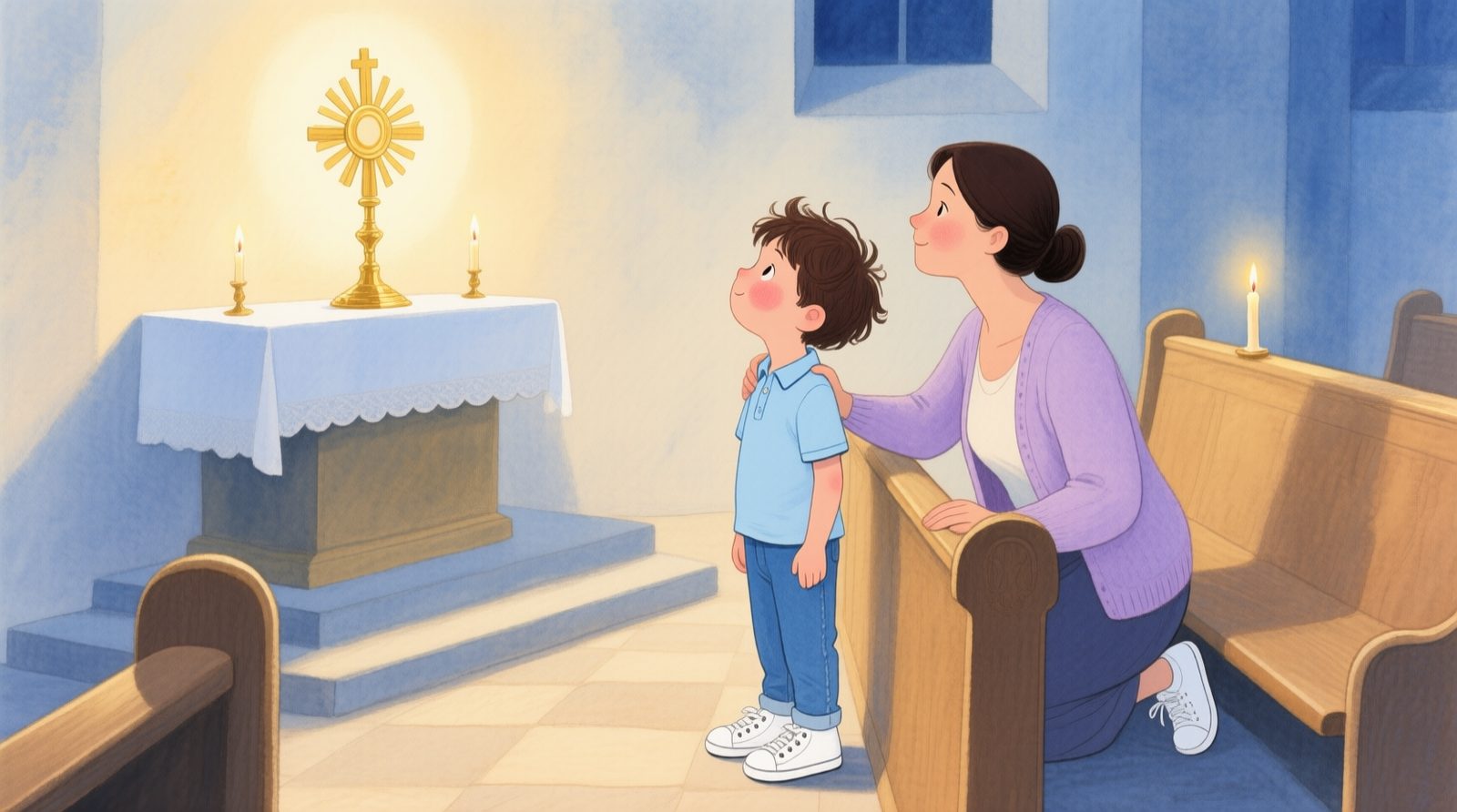
When Carlo was only three years old, something happened that would stay with him forever. His mother took him to visit a church, and there he saw, for the first time, the Blessed Sacrament exposed on the altar. Carlo grew quiet, his eyes fixed on the golden monstrance shining at the front.
"Mamma," he whispered, "who is there?"
"It is Jesus," Antonia answered. "Jesus is really present in the Eucharist."
In that moment, something awoke in Carlo's heart. A tiny spark, one that would grow into a deep love. From that day on, he asked to go to church every single day, and he never grew tired of it.
But don't imagine Carlo was a strange boy, different from everyone else. It was just the opposite. Carlo loved video games; he played PlayStation and computer games like any boy his age, and his favorites were Pokémon, Halo, and Mario. He loved soccer, cheered for Inter Milan, and played in the street with his friends.
He had a dog named Chiara, and later came others, Poldo and Briciola, because Carlo loved animals. He was funny, told jokes, and had lots of friends at school. Carlo was an ordinary boy with an extraordinary heart.
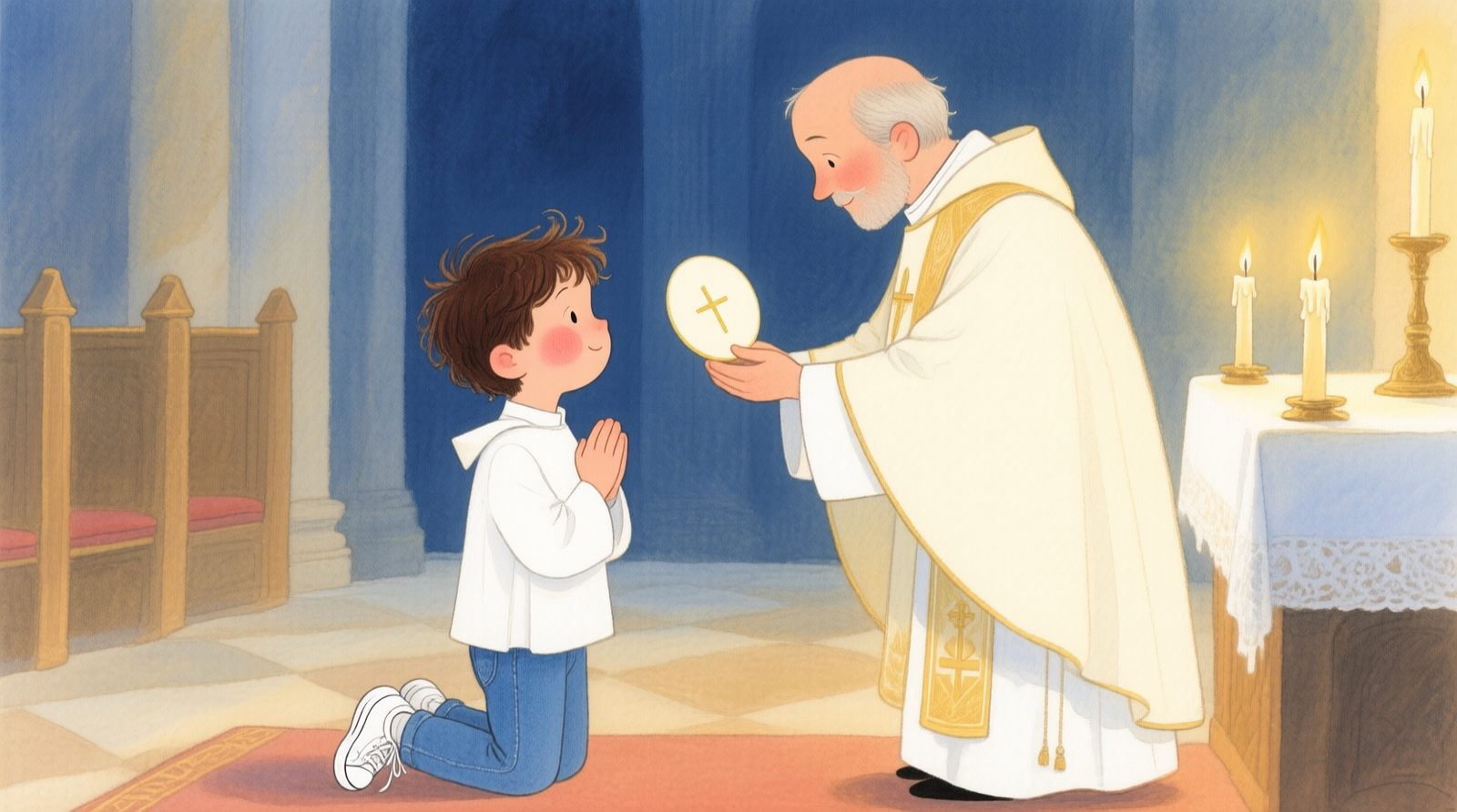
At seven years old, Carlo made his First Communion, one of the happiest days of his life. From then on, he went to Mass every day, without fail. Before Mass, he would spend a quiet moment before the Blessed Sacrament, talking with Jesus.
"What do you do when you pray?" his friends would ask.
"I talk to Jesus, and He talks to me," Carlo would say with a smile. "Jesus is my best friend."
Carlo used to say that Mass was like going to Heaven without dying, and that it was the most important moment of his day. He loved to repeat a phrase that became famous: the Eucharist was his highway to Heaven.
Now, here is something curious: when Carlo was born, his parents were not very religious. They were Catholic, yes, but they rarely went to church and hardly ever prayed. Faith, for them, was more a family custom than something alive. It was Carlo himself who drew them closer to God.
"Mamma, shall we go to Mass?" he would ask every day. "Papa, shall we pray the rosary?"
Carlo spoke about Jesus with so much enthusiasm and so much joy that, little by little, his parents rediscovered their own faith. Antonia, his mother, began going to daily Mass with her son. She began to pray again, to live her faith from the heart. Without realizing it, the boy had converted his own family.
Carlo also had a great devotion to Our Lady, the Virgin Mary.
"If you want to reach Jesus," he would explain to his friends, "go by the hand of Mary. She is our Mother in Heaven, and she always helps us."
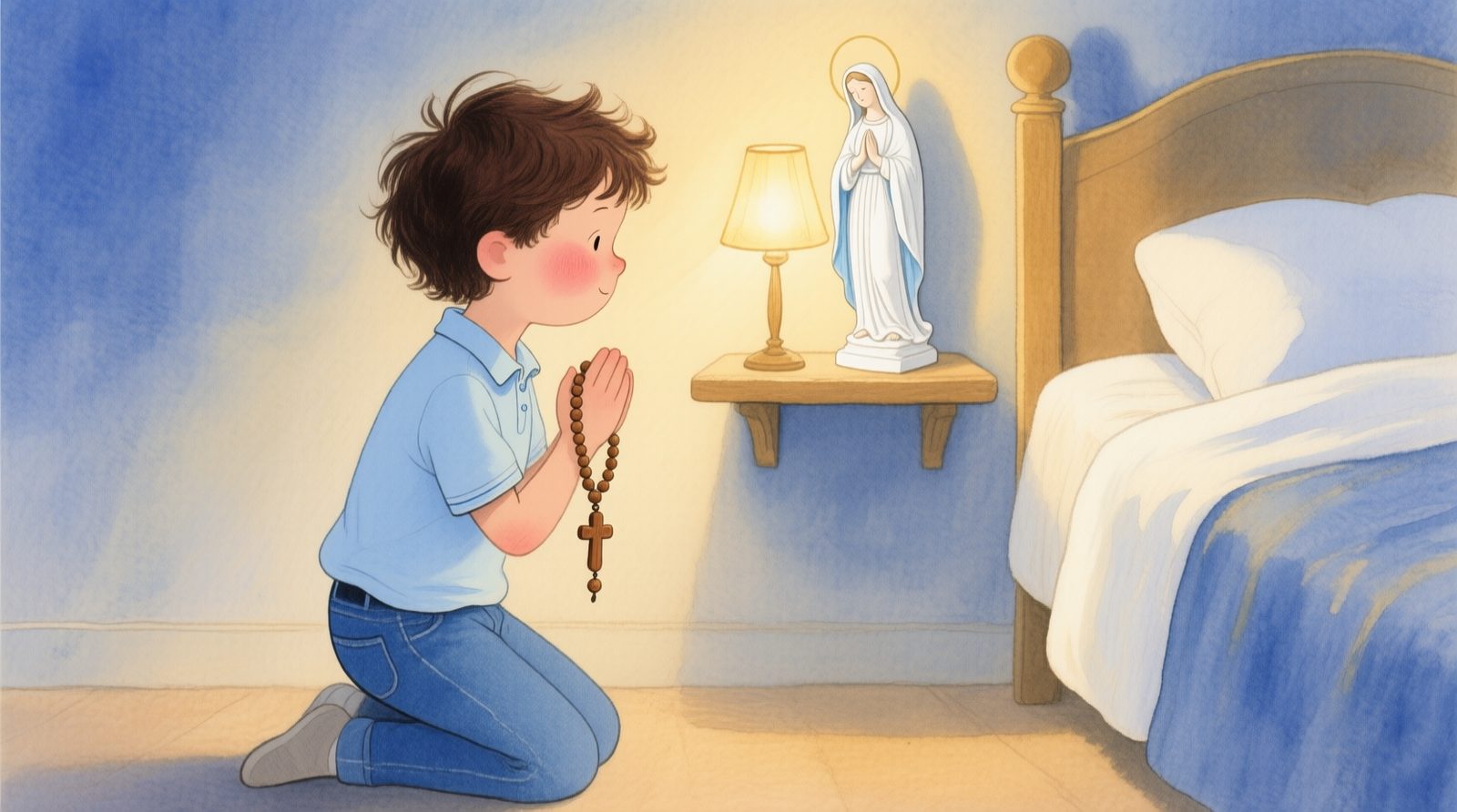
Carlo prayed the rosary every day, not because he had to, but because he wanted to. He kept a little statue of Our Lady in his room and talked with her the way a child talks with his mother. With his family, he visited several shrines dedicated to Mary: Fátima, Lourdes, Loreto. Each trip left his faith a little stronger.
At school, Carlo was a good student. Not the best in the class, but he worked hard and got good grades. He had friends from all backgrounds, some Catholic, some not, and it made no difference to him, because he loved them all the same.
There was one thing, though, on which Carlo never gave in: he defended the weakest. If he saw someone being picked on at school, he would go over and ask the bullies to stop. If a classmate was sad or lonely, Carlo would sit beside him, strike up a conversation, make a friend. He had a generous heart and saw Jesus in every person, especially in the poor and the forgotten.
After school, Carlo did play video games, of course, but he had made a rule for himself: no more than one hour of gaming a day. He knew how easy it was to spend too much time in front of a screen, so he disciplined himself, without anyone telling him to.
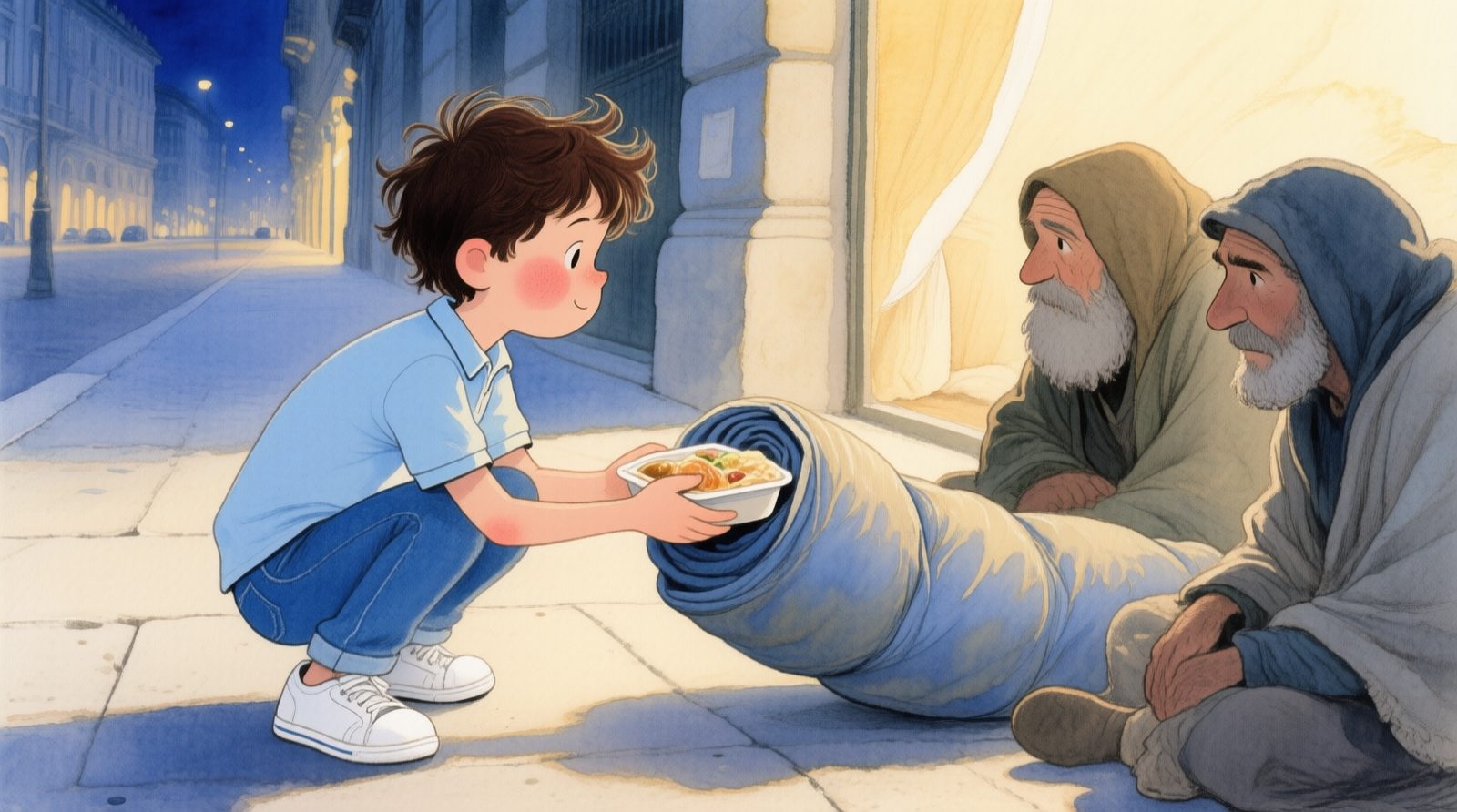
With the time left over, Carlo helped the poor. There were many homeless people on the streets of Milan, and he brought them food and blankets. He used his own money, from his allowance and birthday gifts, to buy sleeping bags for people who spent the night on the sidewalk.
"Jesus said that when we help the poor, we help Him," Carlo explained.
And he never handed things over in a hurry, just passing by. He stopped, talked, asked each person's name, listened to their stories. To Carlo, those people were not "the homeless." They were friends of Jesus. They were brothers and sisters.
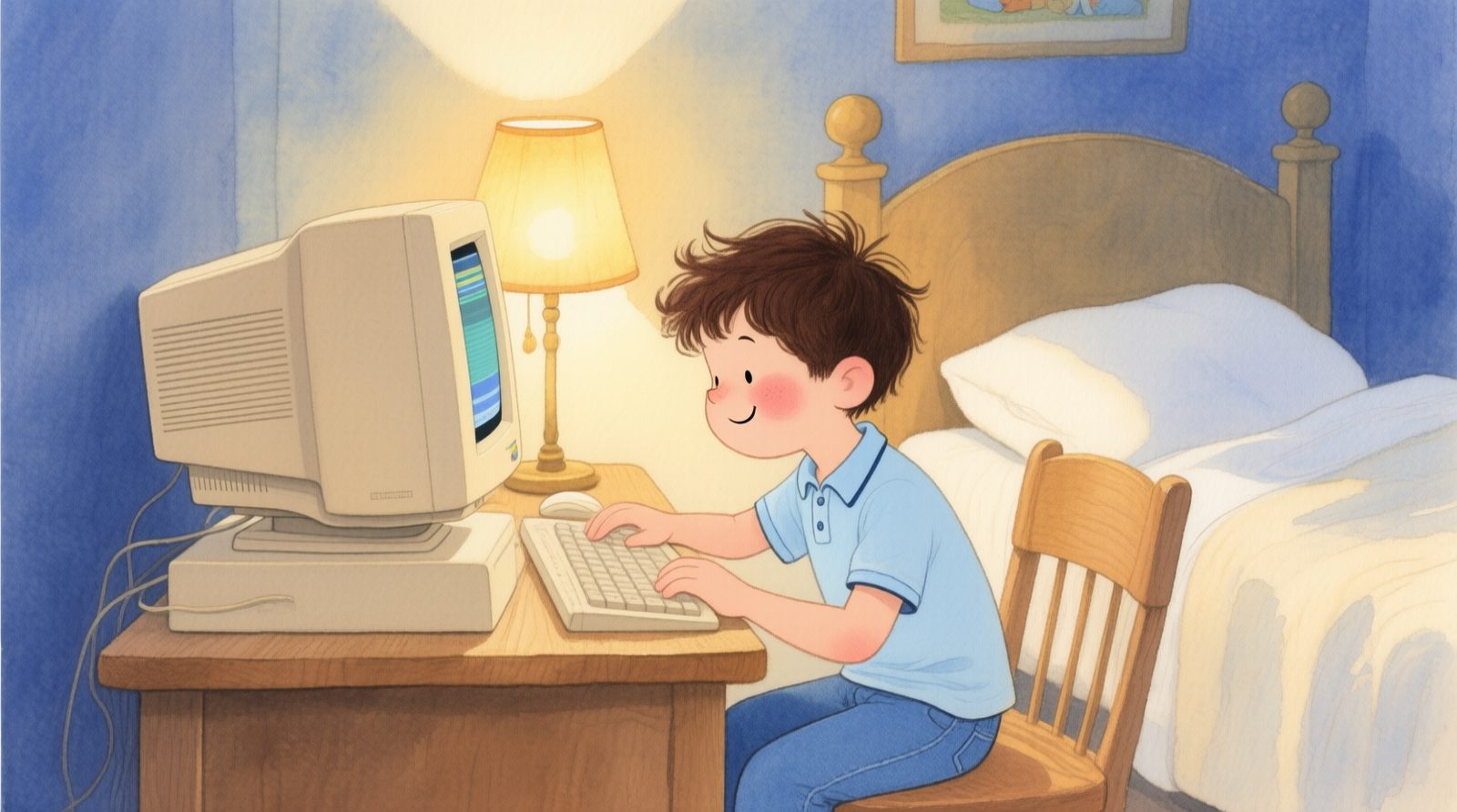
Carlo also had a special talent: he was very good with computers. He grew up in the 1990s and 2000s, when the internet was just beginning and many adults understood nothing about technology. Carlo understood. He taught himself to program, built websites, edited videos, worked with graphic design. By the age of nine he was already building web pages, to his parents' amazement.
But Carlo did not use this gift only for fun. He was keeping a plan, a special project, one that would one day change many lives.
As he grew, Carlo thought a great deal about the Eucharist. It made him sad to see empty churches, to meet people who called themselves Catholic but never went to Mass. He wondered why so many people did not believe that Jesus was truly there, present, waiting for each one of them. If they really believed it, he thought, the churches would always be full.
Then he had an idea. What if he could show the world all the Eucharistic miracles that had ever happened, all the moments when God showed that He really is present in the Eucharist? People would see with their own eyes, and perhaps they would believe. Carlo decided to create a catalog, a great collection of every known Eucharistic miracle in the whole world. And he would use his talent with computers to share it with everyone. That project would become Carlo's legacy.
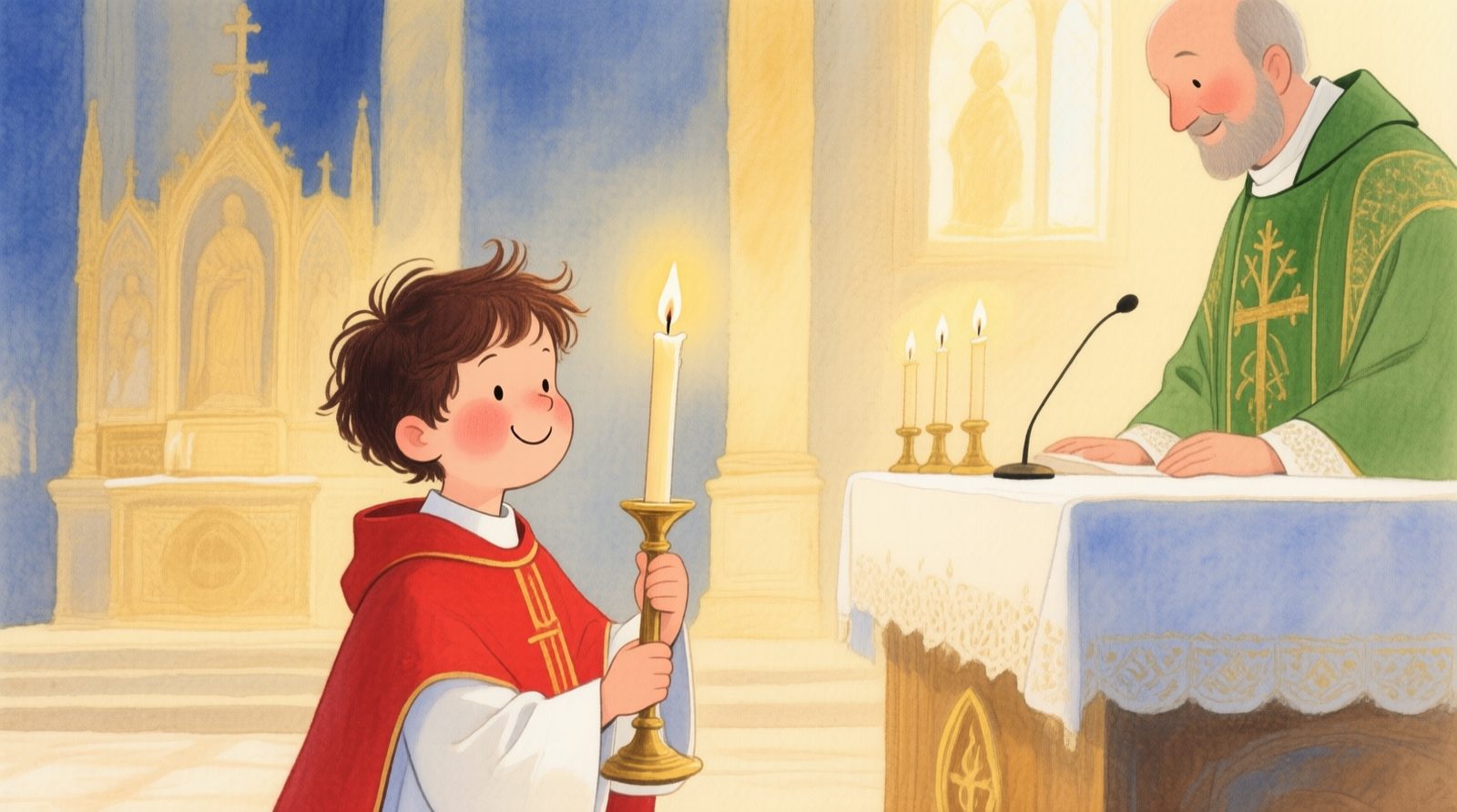
Carlo also loved to volunteer. He helped organize events at his parish, taught catechism to the younger children, and served as an altar boy at Mass, happy to be so close to Jesus at the altar.
He was a boy full of energy. His faith did not make him sad or overly serious; quite the opposite. Carlo smiled a lot, laughed a lot, played a lot, always with kindness, never with meanness. He liked to say that being sad means forgetting to thank God for all the good things He gives us, and that sadness is looking at yourself, while happiness is looking at God.
The more Carlo grew, the closer he came to Jesus. Besides daily Mass, he went to confession often, asking forgiveness for his sins. Because Carlo was not perfect; no saint ever was. When he got angry or impatient, he apologized. When he made mistakes, he admitted them and tried to do better the next day.
"Everyone is born," he would say. "But not everyone truly lives. I want to truly live. And I want to go to Heaven!"
For Carlo, truly living meant loving God and loving people, using your talents for good, becoming a saint. And he always repeated that everyone, without exception, is called to be a saint.
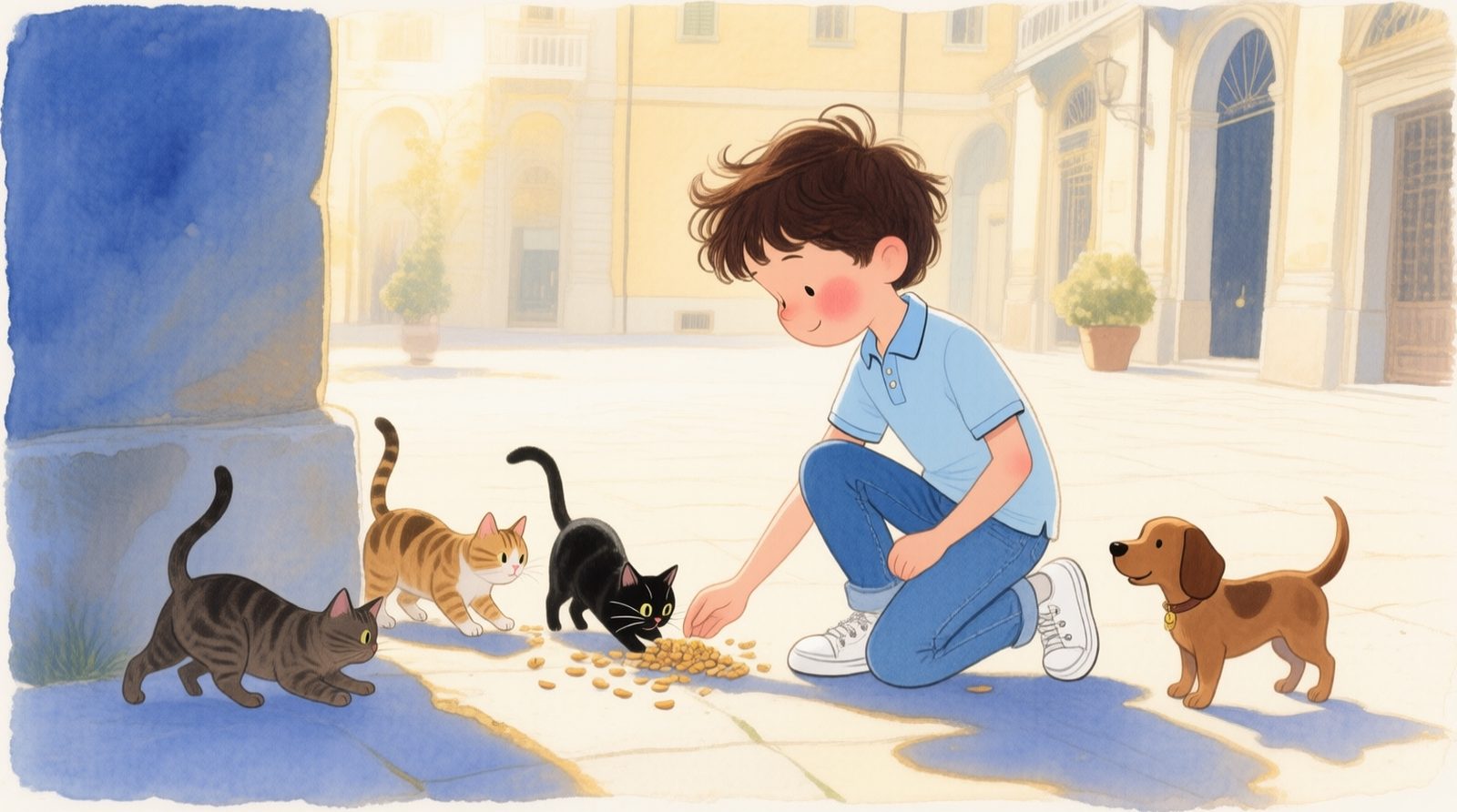
Carlo also loved nature and animals. He had a special tenderness for abandoned creatures: he and his mother cared for stray cats in Milan, brought them food, and sometimes took one home.
"God created the animals too," Carlo would say. "We should take care of them."
He loved walking in the mountains and looking at the sea. For Carlo, nature showed the beauty of God. It was like an open book that told, page by page, the wonders of the Creator.
Meanwhile, the special project about the Eucharist kept growing. Carlo researched, read books, searched the internet, asked priests for help. And he kept discovering hundreds of Eucharistic miracles, from countries all over the world, across the centuries. There was the story of Lanciano, in Italy, where the host turned into the flesh of a human heart. There was the story of Buenos Aires, where the host bled. There were so many stories of God showing that He is truly present in the Eucharist.
Carlo documented everything, organized it, built a website, prepared an exhibition. His heart burned with love for the Eucharist. But he did not imagine how little time he would have to complete his project. Nor did he imagine how far that project would go.
Reflection


