
Carlo was now eleven years old, and his great project on Eucharistic miracles was taking shape. He spent hours at the computer, researching, organizing, creating. He was building a complete website that would gather Eucharistic miracles from all over the world.
It was not easy. There was so much information, so many countries, so many different languages. But Carlo did not give up. He loved what he was doing. That work was his gift to Jesus.

Carlo's website turned out to be remarkable. He documented more than one hundred and fifty Eucharistic miracles, from every continent. For each one, he gathered the full story of what had happened, photos and documents, the place and the date, and the scientific evidence, when it existed. Everything carefully organized, on a beautiful, easy-to-use site, built by a boy of eleven or twelve.
And Carlo did not stop at the website. He also created an exhibition of panels that could travel and be set up in churches and schools anywhere in the world.
Carlo liked to explain why he did all this. He said that the more we receive the Eucharist, the more like Jesus we become, and that already here on Earth we can taste a little piece of Heaven. He wanted everyone to understand this: that Jesus is really there, waiting for us.
Carlo's work began to spread. Priests heard about him, parishes began using his exhibition, and many people marveled that a boy was doing something so extraordinary. But Carlo did not want fame. He always repeated the same phrase:
"Not me, but God."
All the credit was to go to Jesus.
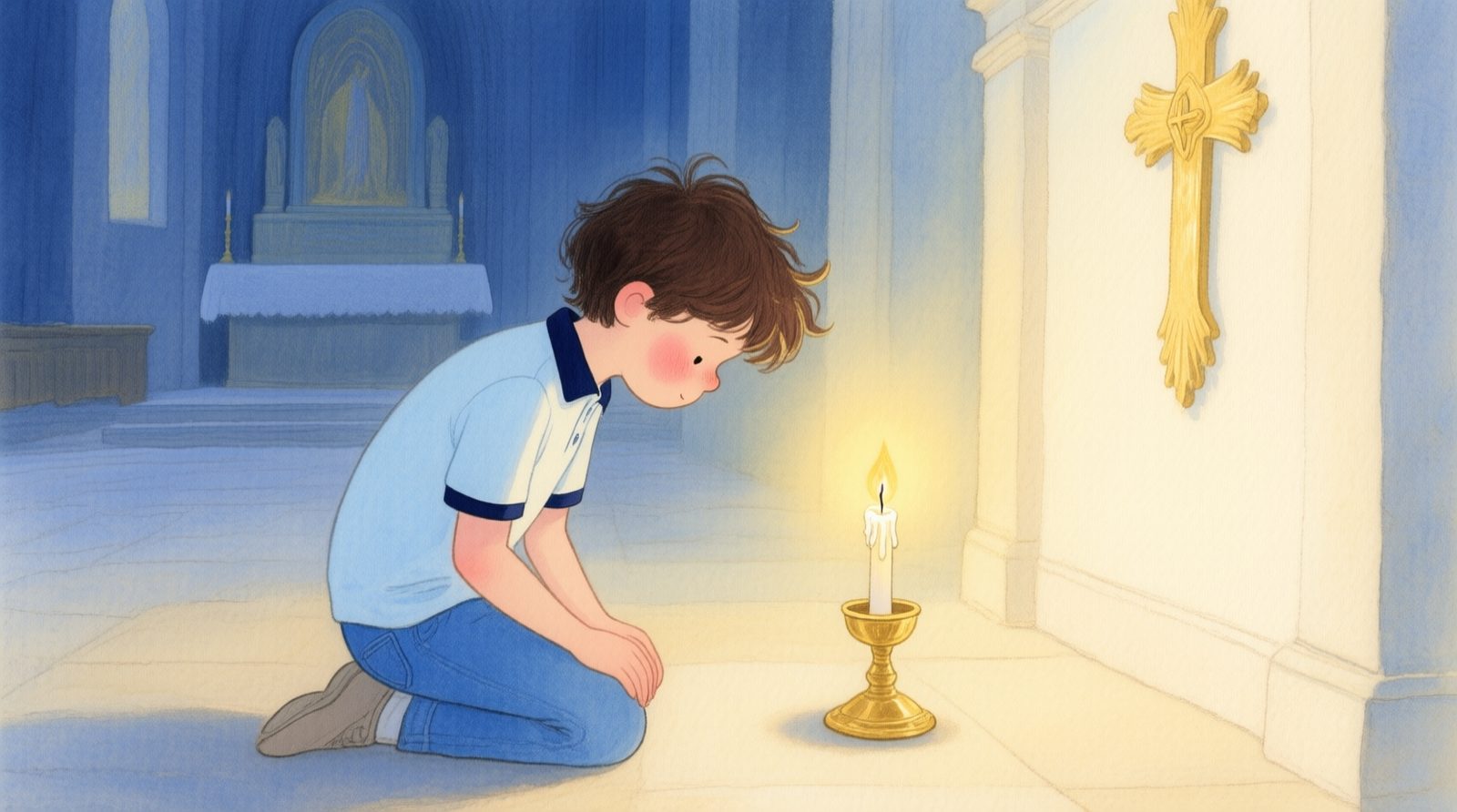
While he worked on the project, Carlo carried on with his everyday life. He went to school, played video games, never more than an hour a day, played with his friends, helped at home. And he kept devoting a great deal of time to the poor.
He knew many of the people who lived on the streets of Milan by name. They were his friends. Carlo brought them hot food, chatted with them, and sometimes sat on the sidewalk beside them, just to listen to their stories.
"Why do you do this?" a friend once asked. "They have nothing to give you."
Carlo smiled.
"Jesus said that when we do something for the least of His brothers, we do it for Him. And they give me a lot: they teach me about gratitude and about faith."
Carlo also had enormous compassion for people who were far from God. He prayed for those who did not believe, for those who had drifted from the Church, and he said we should pray especially for those whom nobody prays for. He offered his Communions and prayers for the conversion of many.
He had a missionary heart. He wanted everyone to know Jesus. When he saw a friend doing something wrong, he corrected him gently, without judgment, with kindness.
"Jesus loves you so much," he would say. "Why spend your life on things that don't make you truly happy?"
Some of his friends changed their lives because of Carlo. They came back to church. They began to pray.

Carlo grew into a teenager, always faithful to Jesus. In October 2006, he was fifteen years old, a cheerful young man, full of life and plans.
But then something happened. Carlo began to feel unwell. He was very tired, with strong headaches that would not go away. His mother took him to the doctor, and tests were done. The news was very hard: Carlo had leukemia, a cancer of the blood, of a serious and aggressive kind.
The doctors explained that the situation was grave, that Carlo would need intensive treatment, and that even so, the chances were not good. The family was heartbroken. Carlo was so young, so full of life.
But Carlo himself received the news with a quiet faith that surprised everyone.
"I offer my sufferings to the Lord," he said calmly, "for the Pope and for the Church."
Carlo did not ask, "Why me?" He did not get angry at God; he did not despair. Instead, he offered up his suffering and turned his pain into prayer. Later, he would say something that has been treasured ever since: that he was happy, because he had lived his life without wasting a single minute on things that do not please God.
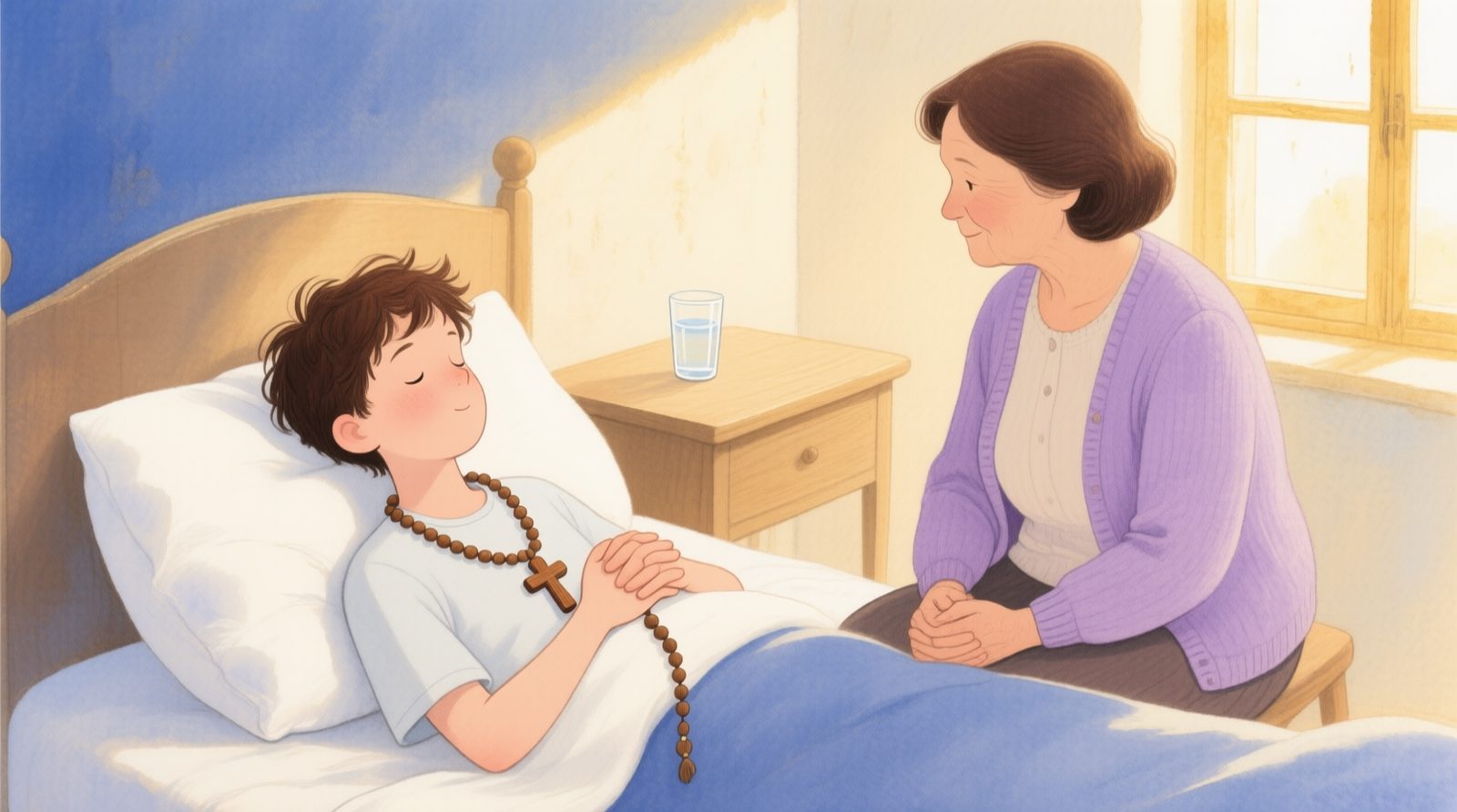
Carlo was admitted to the hospital and began chemotherapy. It was a painful treatment that brought nausea and left his body weak. His hair fell out. But Carlo never complained. He kept smiling, thanking the doctors and nurses, being gentle with everyone.
He asked his mother to bring the Eucharist to the hospital, and he received Communion every day, even when he was very ill.
"Jesus gives me strength," he said.
He prayed the rosary and talked with Our Lady. The doctors and nurses were amazed at the quiet courage of that young man. They said they had never seen anything like it.
One day, Carlo asked the doctor how much time he had left. The doctor, with tears in his eyes, answered that it was probably only a few days. Carlo accepted it in peace. He knew he would soon be with Jesus.
"I won't go to Purgatory," he said softly to his mother. "I'll go straight to Paradise."
He could speak that way because he had lived each day for God, had gone to confession faithfully, had loved Jesus with all his heart. Carlo asked to see a priest, made his last confession, and received the Anointing of the Sick. He was ready.
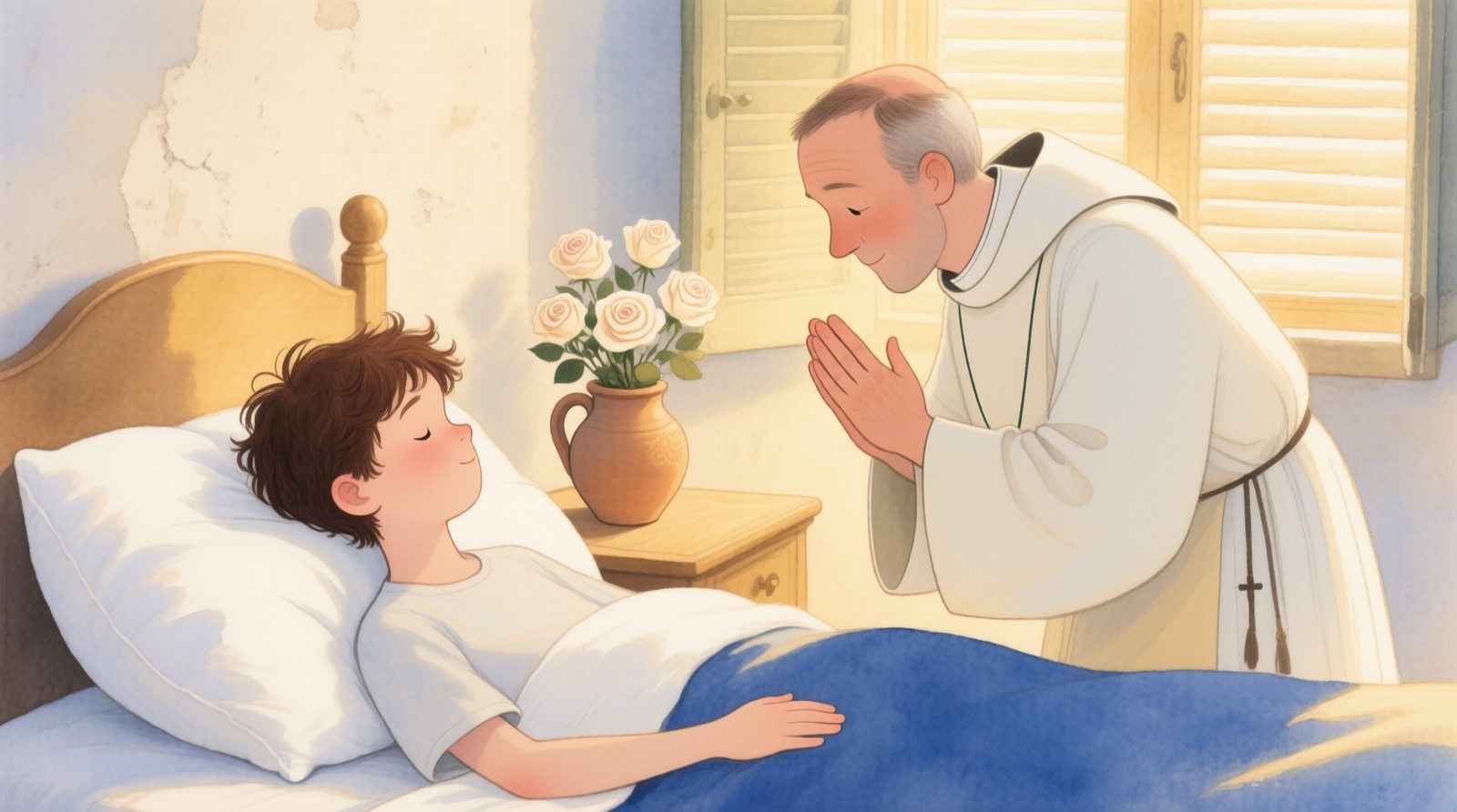
In his last days, Carlo kept thinking of others. He asked his mother that, when he died, his organs be donated, because if he could help someone, he wanted to help. He comforted his family, telling them not to be sad, that he was going to Jesus and would pray for them from Heaven. And he asked that the exhibition keep traveling, to help people love the Eucharist.
Even as he said goodbye, Carlo thought only of serving God and his neighbor.
On the morning of October 12, 2006, Carlo Acutis died. He was only fifteen years old. His family was at his side, and he went in peace, with a small smile on his face. Carlo went to Jesus, to the Heaven he had longed for.
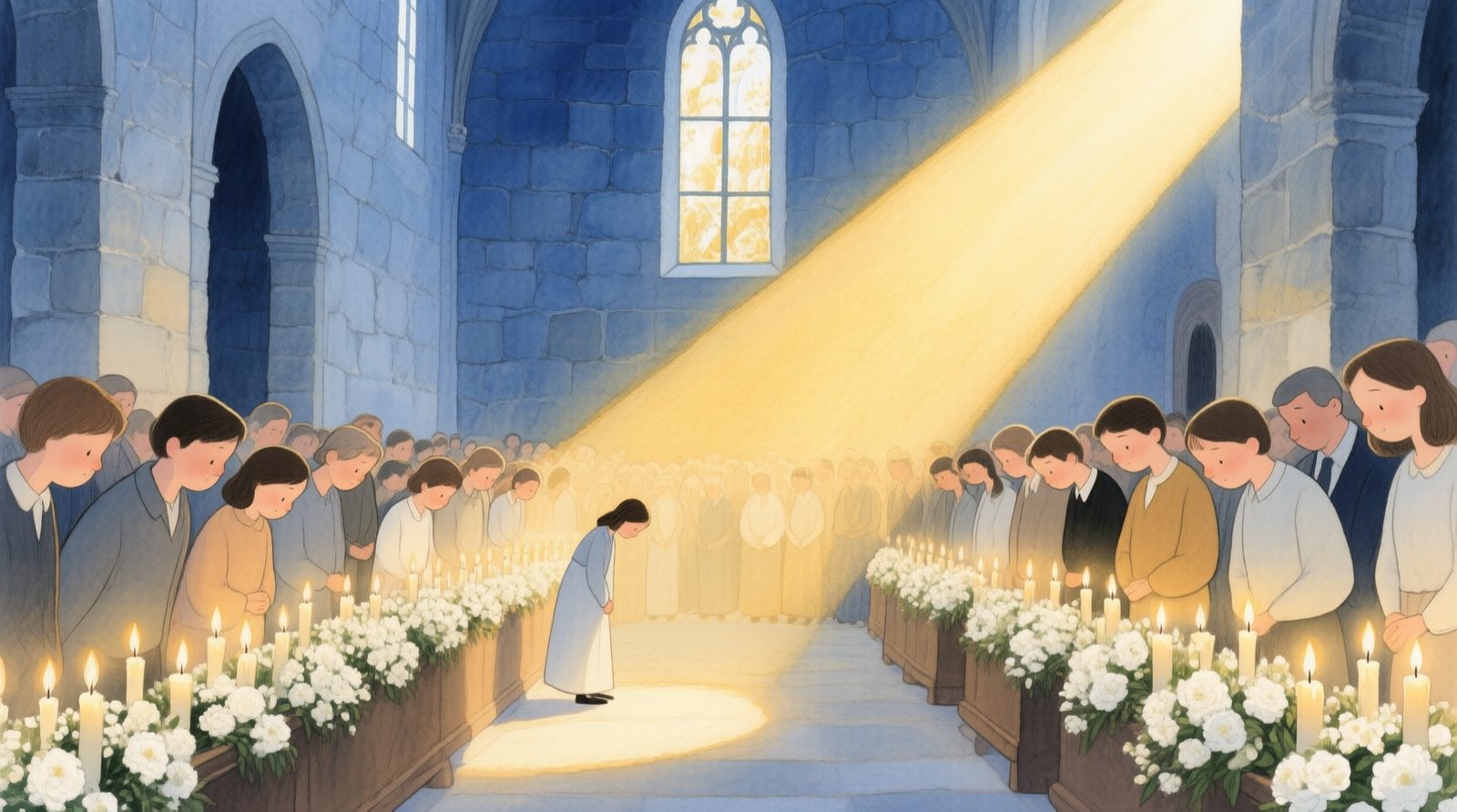
His funeral was full of people: friends from school, the poor he had helped, priests, family. Everyone wept. But everyone also knew that Carlo was at peace. Carlo was with God.
But Carlo's story did not end there. His mother and others kept sharing his work, and the exhibition on Eucharistic miracles traveled to every continent. Thousands of people visited it. Many returned to the faith because of it and came to believe in the real presence of Jesus in the Eucharist. Carlo's website still exists and is visited by people from all over the world.
And something else happened: people began to pray, asking for Carlo's intercession. And graces and miracles began to be reported.
One case in particular was investigated by the Church. In Brazil, a boy named Mattheus, just six years old, suffered from a serious illness of the pancreas, and the doctors had lost hope. His family prayed for the intercession of Carlo Acutis, and the boy was completely healed, in a way the doctors could not explain.
The Church studied the case for years and confirmed it: it was a true miracle, without scientific explanation. That miracle opened the way for Carlo's beatification.
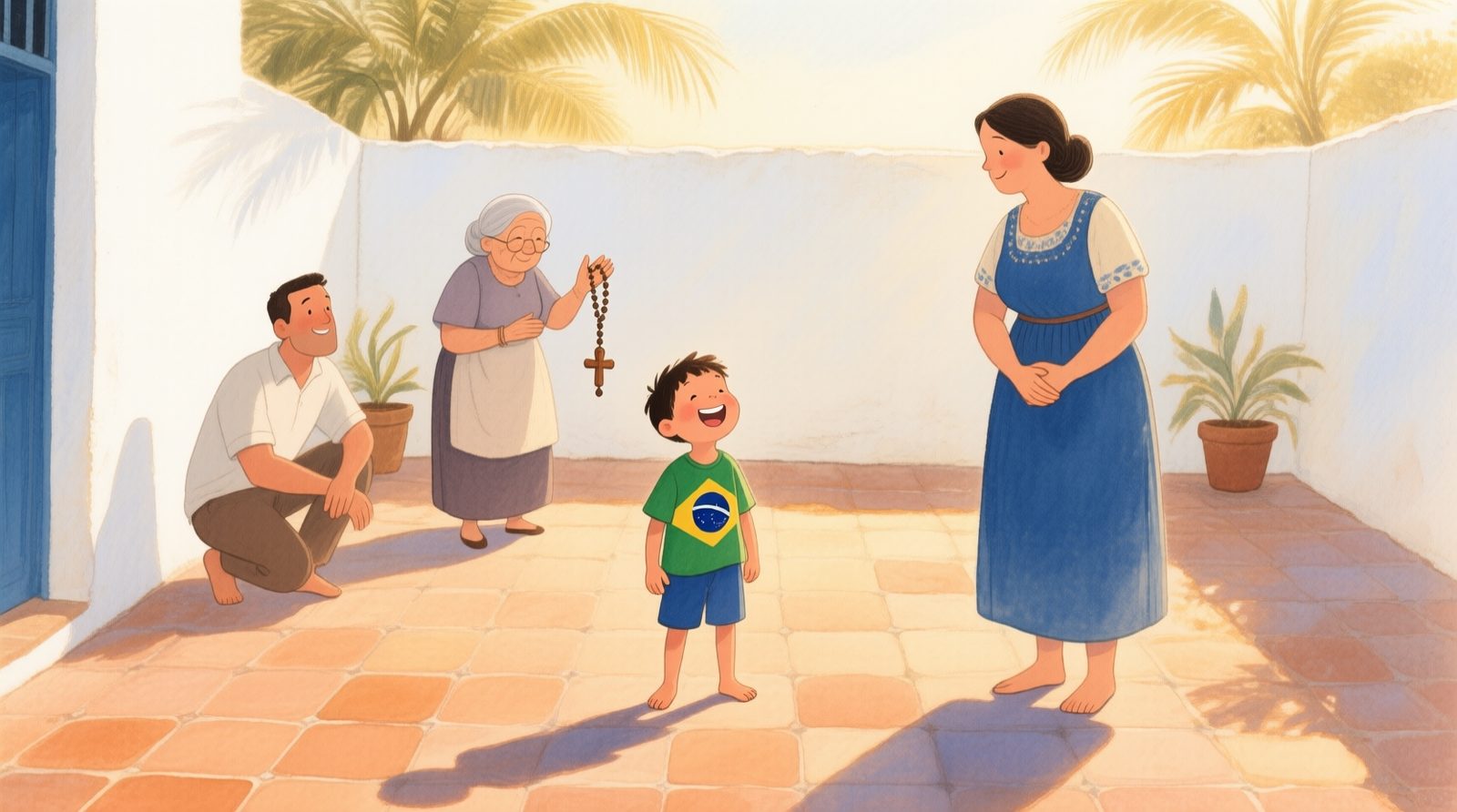
On October 10, 2020, in Assisi, Italy, the city of Saint Francis, Carlo Acutis was beatified. Thousands of people came, young people from all over the world. Carlo became Blessed Carlo Acutis, and later, on September 7, 2025, he was canonized in Rome: Saint Carlo Acutis, the first saint of the internet generation, whom many affectionately call "God's influencer."
Carlo showed that it is possible to be a saint in the modern world. It is possible to love Jesus and, at the same time, use computers, play video games, be a young person like any other. He liked to say that we are all born originals, but many live as photocopies, and that each of us should be the original God created.
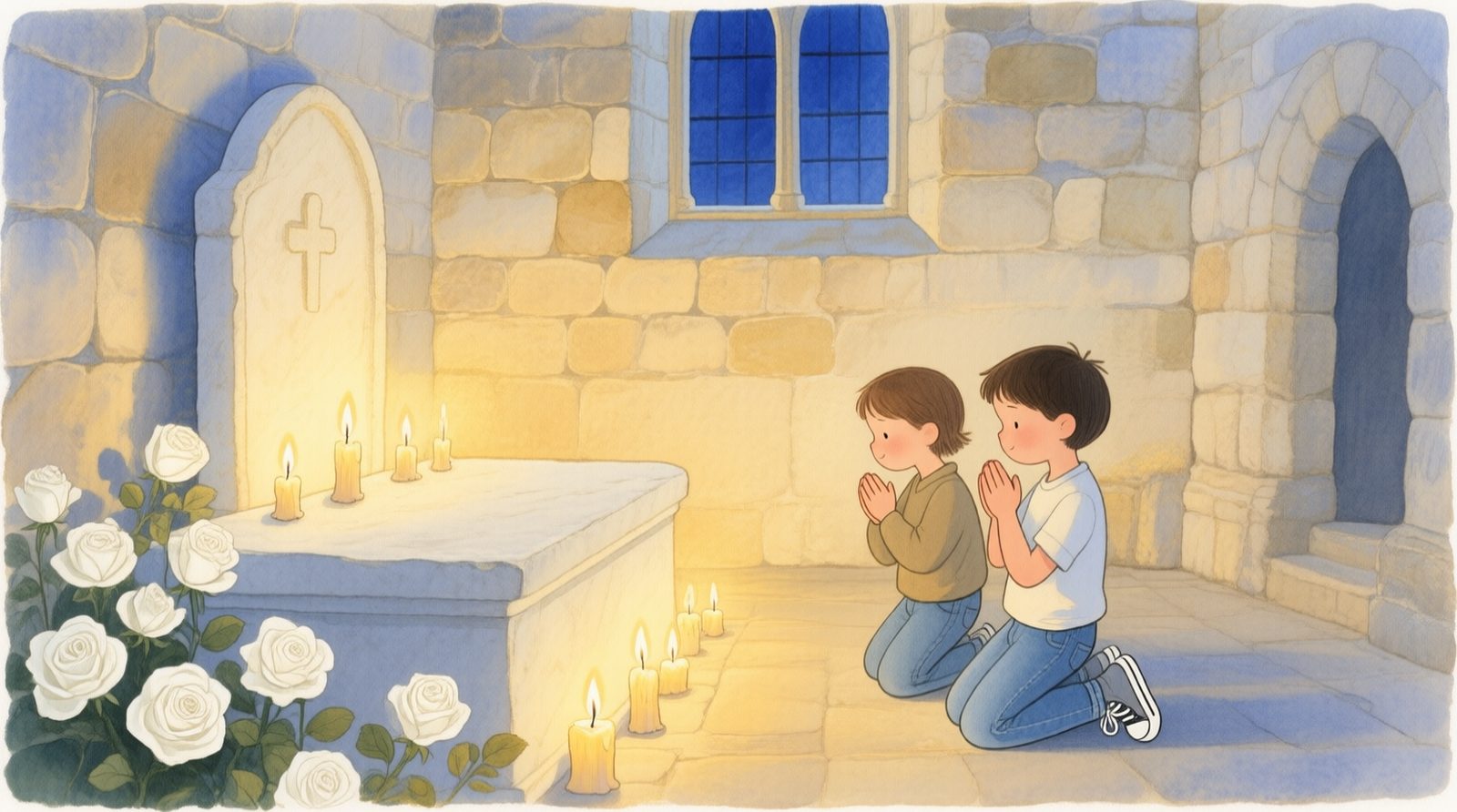
Today, Carlo's body rests in Assisi, in a beautiful church, and thousands of pilgrims come to visit him. He is dressed in his favorite clothes, jeans and sneakers, like an ordinary young man.
Young people from all over the world pray there, ask for his help, look for inspiration. Carlo has become a kind of patron for programmers, for young people, and for everyone seeking holiness in the digital world. And his most famous words still echo: we are all called to be saints, and holiness does not take away our joy; it makes us what God dreamed for each of us from all eternity.
Carlo's dream was that everyone would know and love Jesus in the Eucharist. That dream is still alive. The exhibition has traveled through dozens of countries, parishes use the materials he created, schools tell his story, and young people around the world find inspiration in him.
Carlo wanted to become a saint, and he did, at fifteen. Now, from Heaven, he keeps helping, praying, and showing the way: the secret of happiness is to stay always close to Jesus. Saint Carlo Acutis, pray for us.
Reflection


