
As Philip grew older, something extraordinary was happening. On the outside, he remained cheerful and playful. On the inside, God was working miracles through him. Philip tried to hide these gifts, because he wanted no attention at all — but it was impossible to hide everything. People saw, and they marveled.
Ecstasies at Mass
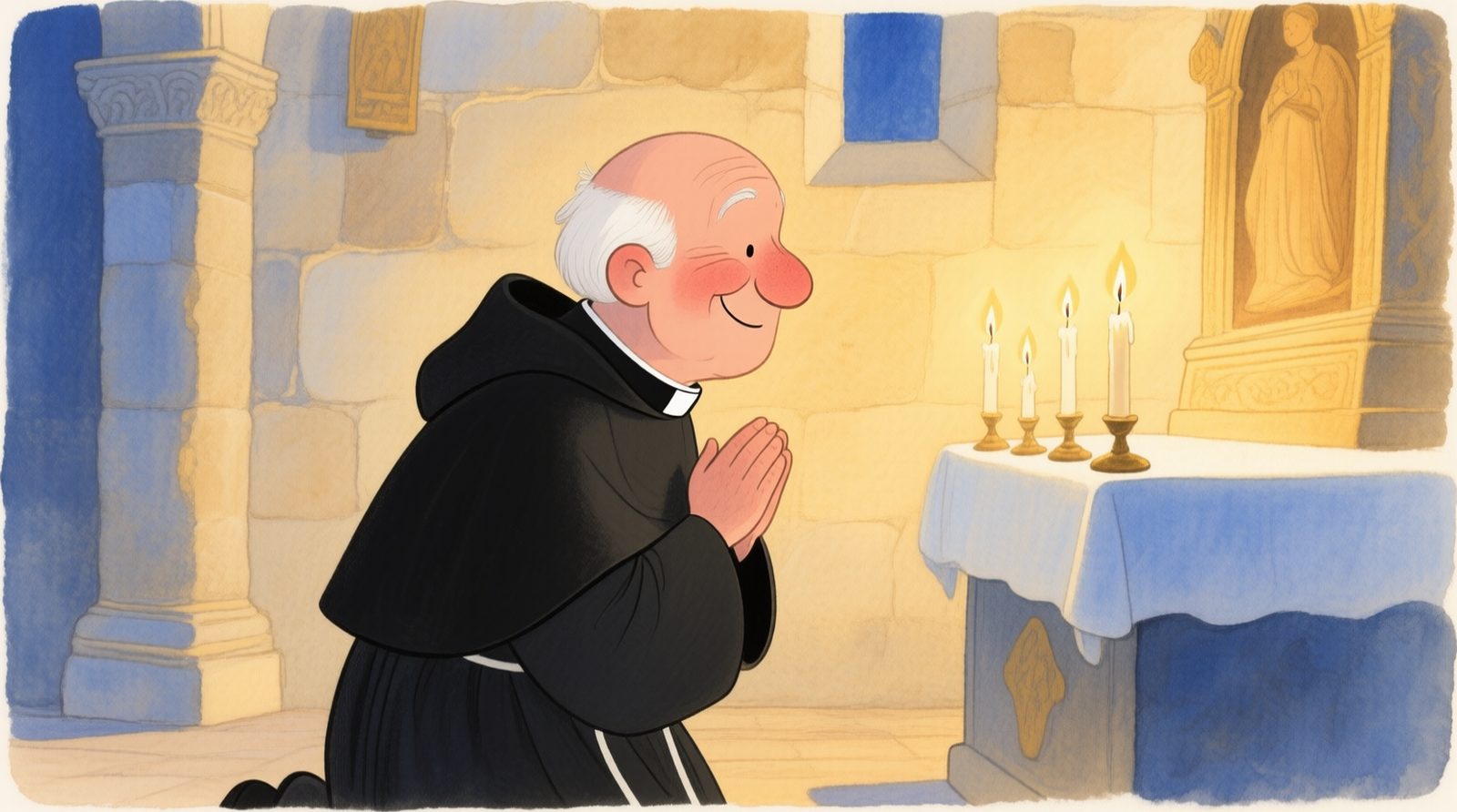
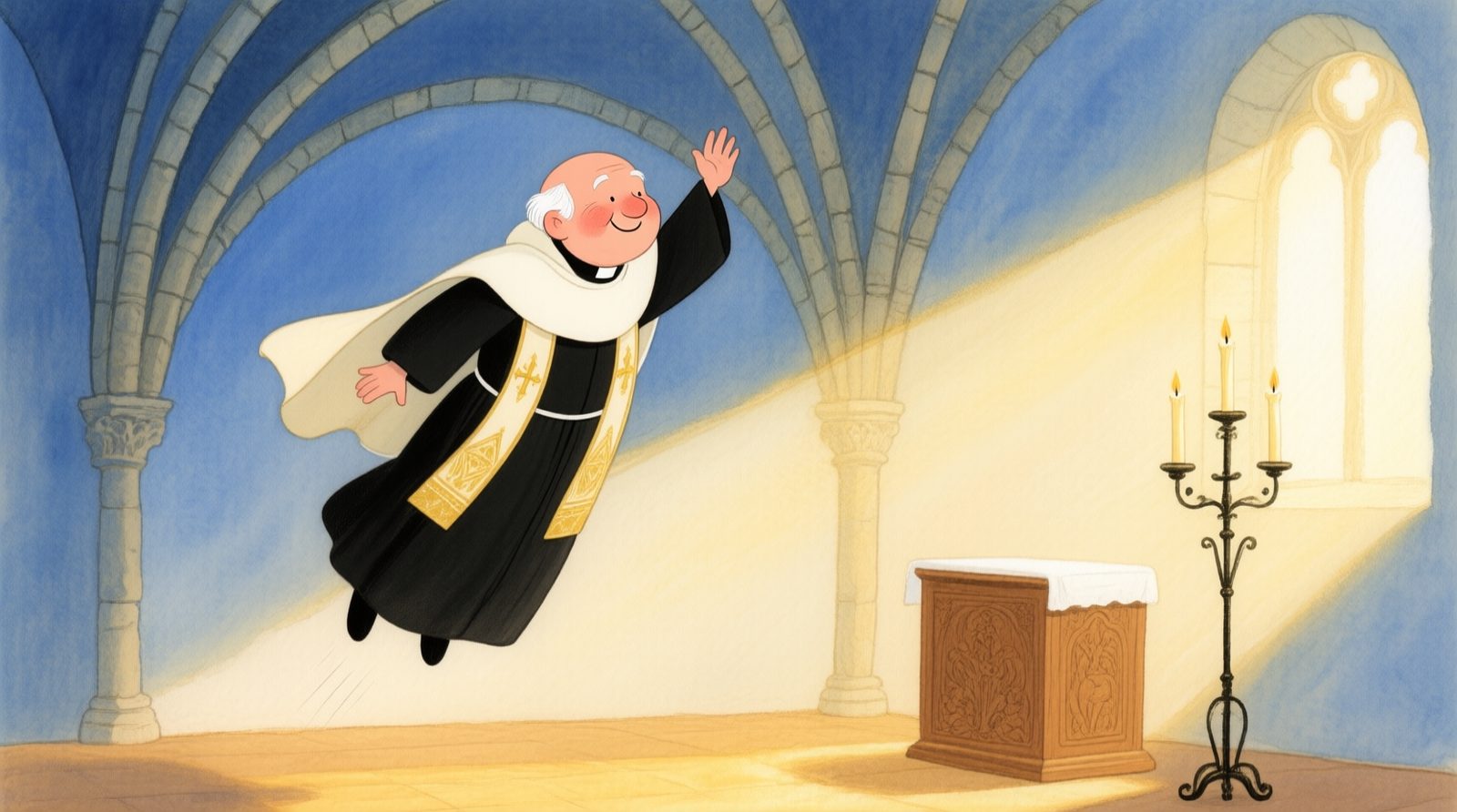
When Philip celebrated Mass, extraordinary things happened. He often fell into ecstasy — that is when the soul becomes so united with God that the body nearly stops. Philip would stand motionless, absorbed, his face radiant. And sometimes, witnesses tell us, he levitated, floating above the floor. The faithful who saw it were astonished.
Because of this, Philip began saying Mass alone, very early, so as not to cause a stir. Even so, people found out and came to watch. One day, they tried tucking him away in a private chapel — and, during Mass, he levitated so high that he bumped his head on the ceiling. When he came back to himself, with a lump on his forehead, Philip laughed:
"Serves me right! That will teach me humility."
The Warmth in His Chest
Do you remember Philip's heart, which expanded on the day of Pentecost? That warmth stayed with him all his life. When he prayed intensely, his chest grew so hot that he would open his shirt even in winter, ask for cold water, and sometimes throw the window wide open while it snowed outside. People near him could feel the heat coming from him, as if there were a furnace inside his chest. But it was the fire of the love of God.
Reading Hearts
Philip had the gift of reading hearts: he knew what people were thinking and feeling. Often, before someone even spoke, he already knew their trouble.
"You came to confess that sin, didn't you?" he would say.
The person would be stunned, unable to understand how he knew. Philip would smile:
"Jesus told me. He loves you and wants to forgive you."
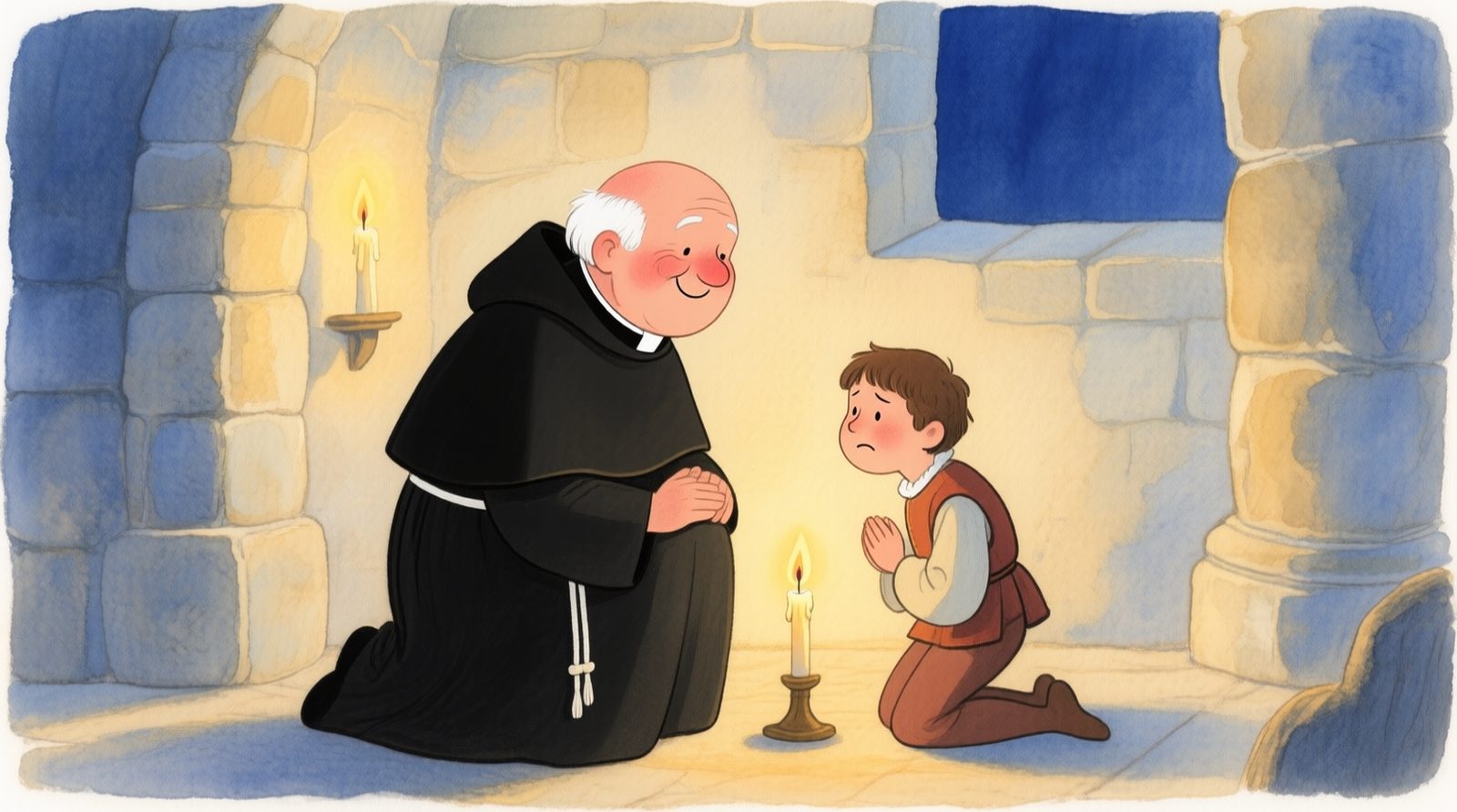
Once, a young man came to confession hiding a serious sin. He confessed the small ones but kept back the big one. Philip looked at him and asked quietly:
"And the other one? Aren't you going to tell me?"
The young man turned pale. How did he know? Philip explained that God had shown him, because He loved him too much to let him hide it. The young man confessed everything, wept, and left transformed.
Prophecies and Miracles
Philip also foretold things that were still to come. He would tell someone that an important event would happen on such a day — and it did. Once, he told a cardinal that he would be Pope. The cardinal laughed, thinking it impossible, because he was far too young. Years later, he became Pope Clement VIII.
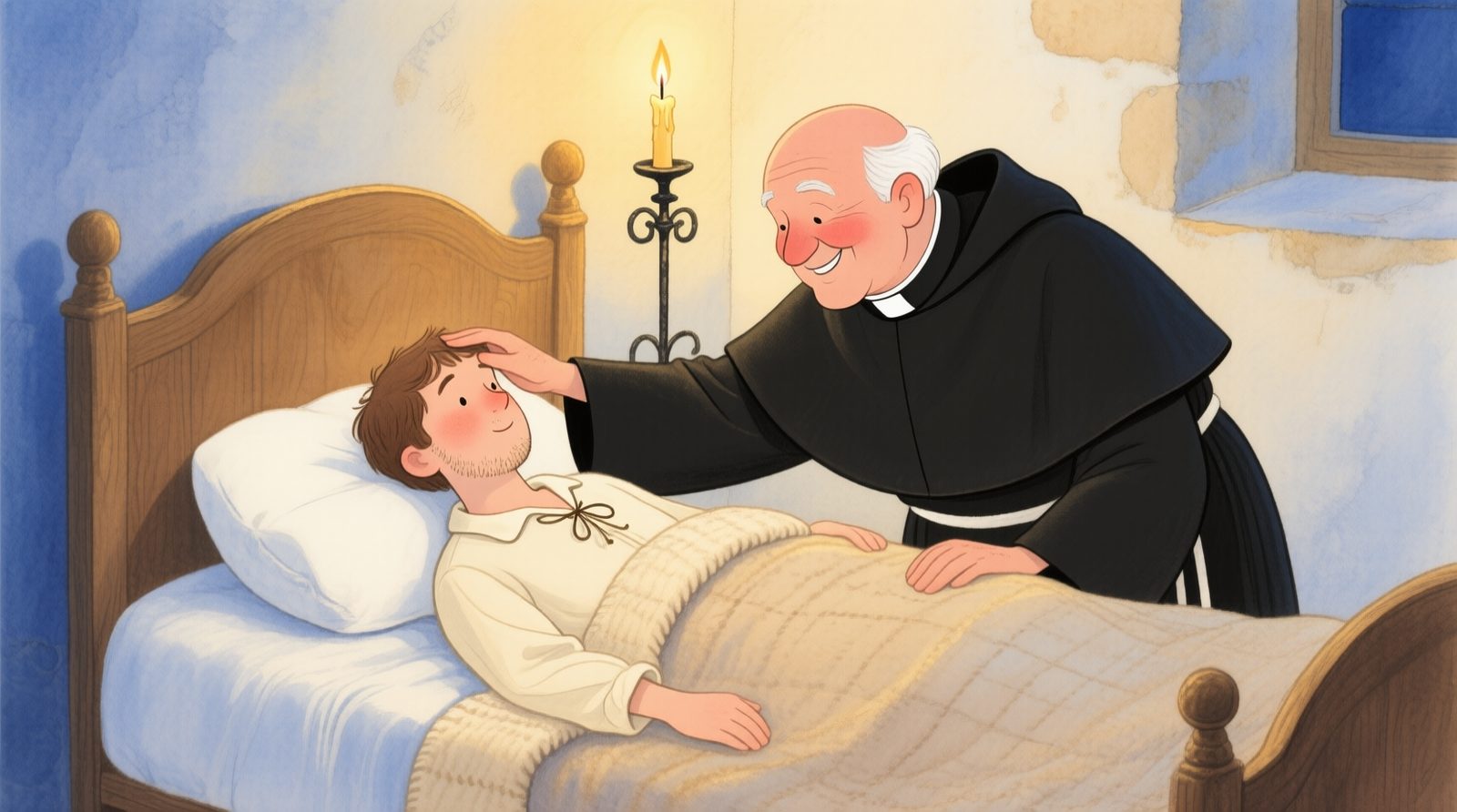
Philip also prayed over the sick, without any fuss, and many were healed in ways the doctors could not explain. It is even told that he brought back to life, for a few moments, a young man who had just died: the boy opened his eyes, spoke with Philip, made his peace with God, and then departed in peace. Philip never accepted the thanks.
"It was Jesus," he would say. "It was not me."
The Congregation of the Oratory
The Oratory kept growing, with so many young people and priests involved that it all needed a structure. In 1575, Pope Gregory XIII officially approved the Congregation of the Oratory. It was a new and different kind of community: the Oratorians took no solemn vows like other orders, had no rigid rule, and lived together in community, but in freedom.
Philip wanted the Congregation to be truly different. "We are a family, not an army," he said. Each Oratory house was independent, with no superior general. And its spirit was his own: Oratorian priests were to be cheerful and approachable, good preachers, friends of music, devoted to the young, humble and simple.
The New Church
The Oratory needed a bigger church, and Philip began the building of the Chiesa Nuova, the New Church, in Rome. It was an enormous project that took years. Philip kept an eye on everything — with humor, of course. One day, he saw a workman doing something wrong and remarked:
"My friend, even I, who am no mason, can see that is going to fall down."
The man laughed and fixed it.
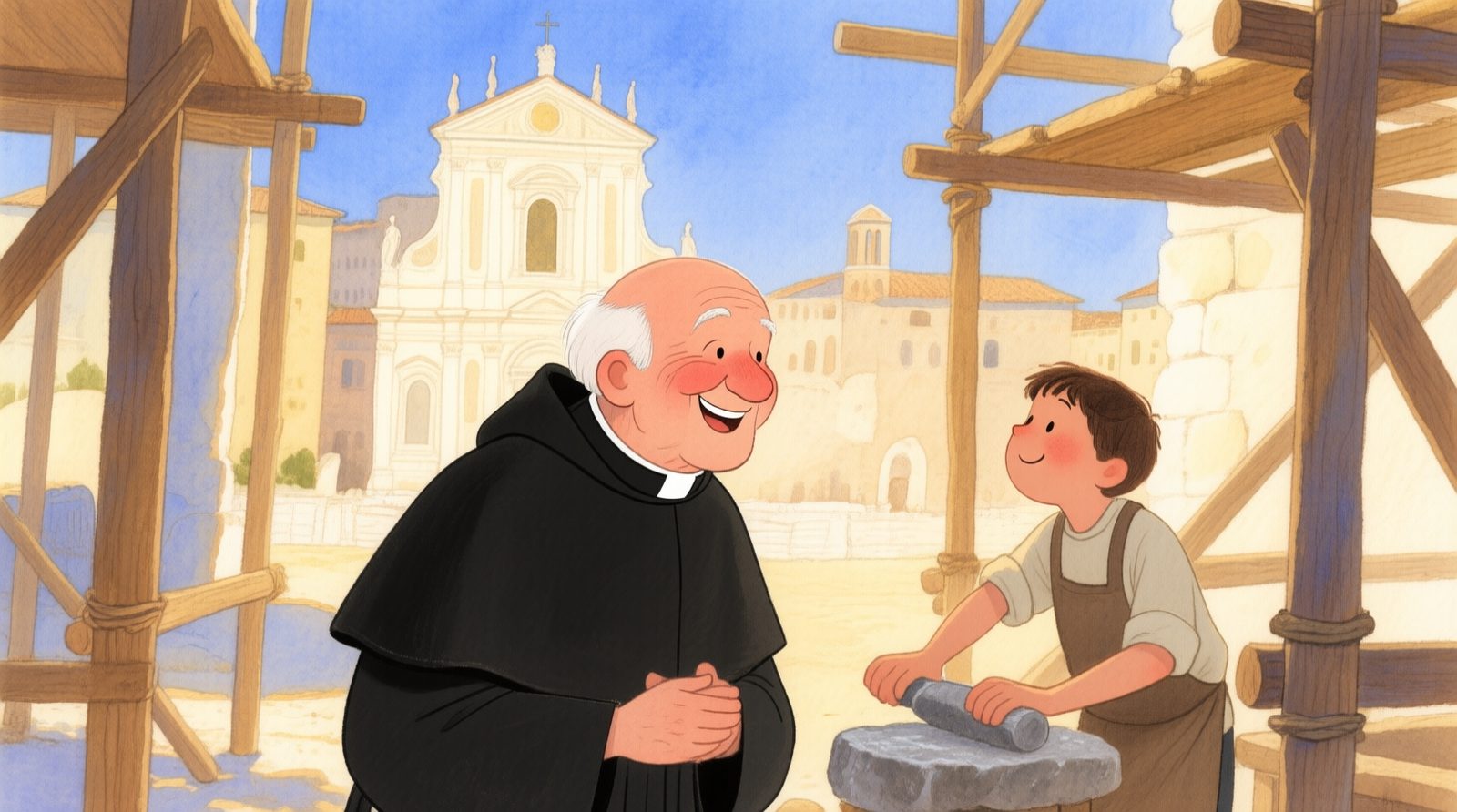
The Chiesa Nuova was decorated by famous artists, with beautiful paintings and magnificent architecture. But Philip stayed in his simple little room. The church could be rich, for the glory of God; he preferred to live poor.
"God deserves the best," he said. "I deserve the least."
Holy Friendships
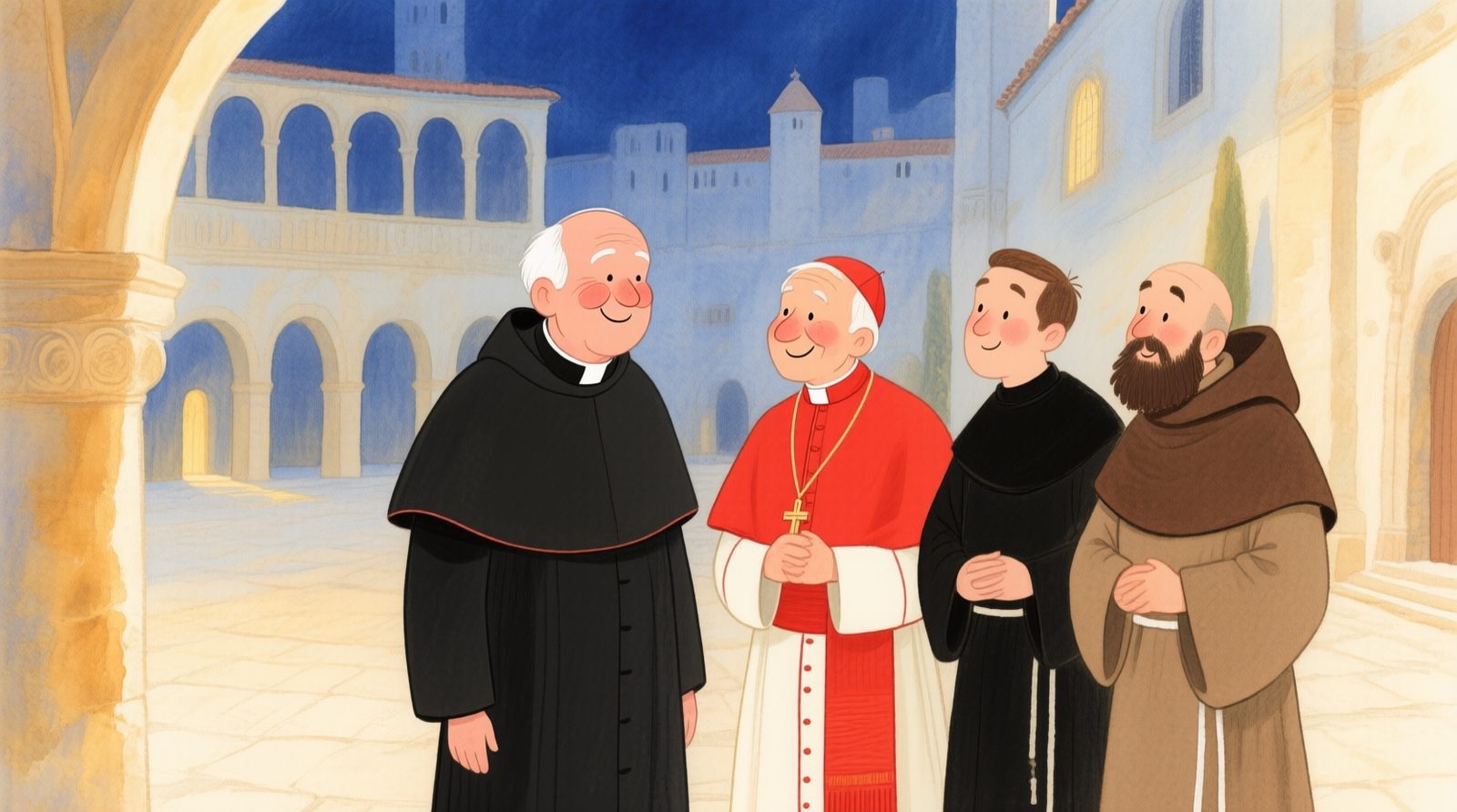
Philip had extraordinary friends. Among them were Saint Charles Borromeo, the great reformer, who visited him often; Saint Ignatius of Loyola, the founder of the Jesuits, whom Philip nearly joined; and Saint Felix of Cantalice, a Capuchin as cheerful as Philip himself. He knew cardinals and nobles, but his dearest friends were the poor. Philip treated everyone the same, princes and beggars alike.
The Last Years
In his last years, Philip grew physically weak. He was past seventy and could no longer walk far, but he remained cheerful. He sat in his chair and received visitors all day long: he talked, gave counsel, heard confessions. And he kept making jokes, never losing his humor.
"I am old, but not boring," he would say, laughing.
May 25, 1595: The Death
On May 25, 1595, Philip had a good day. He celebrated Mass, heard confessions, talked with friends. In the evening, he dined happily with his spiritual sons and went to his room to rest. But near midnight, he began to feel very ill. The priests came running, and Philip understood, with serenity, that his hour had come.
Philip blessed the priests gathered around him. They all wept and begged him not to leave them. But he smiled, his face at peace.
"Do not cry. I am going home. To Jesus."
He raised his hands toward heaven, slowly. And in the small hours, Philip died in peace, at seventy-nine years of age. He died as he had lived: with joy and serenity.
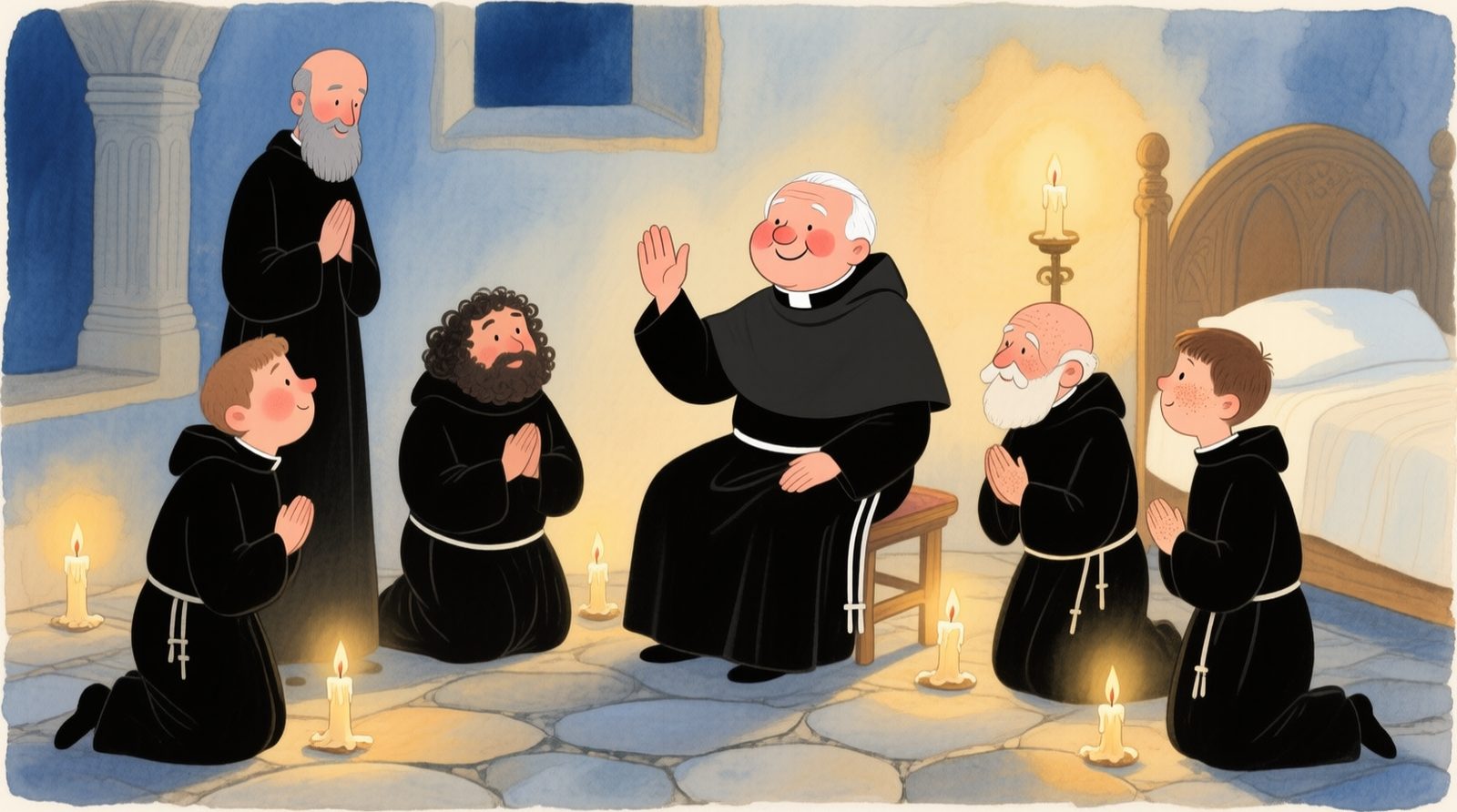
Soon after his death, those who were present tell us, a soft light seemed to surround Philip's body, and the room filled with a fragrance no one could explain. To everyone there, it was a gentle sign that Philip was with God.
The Funeral
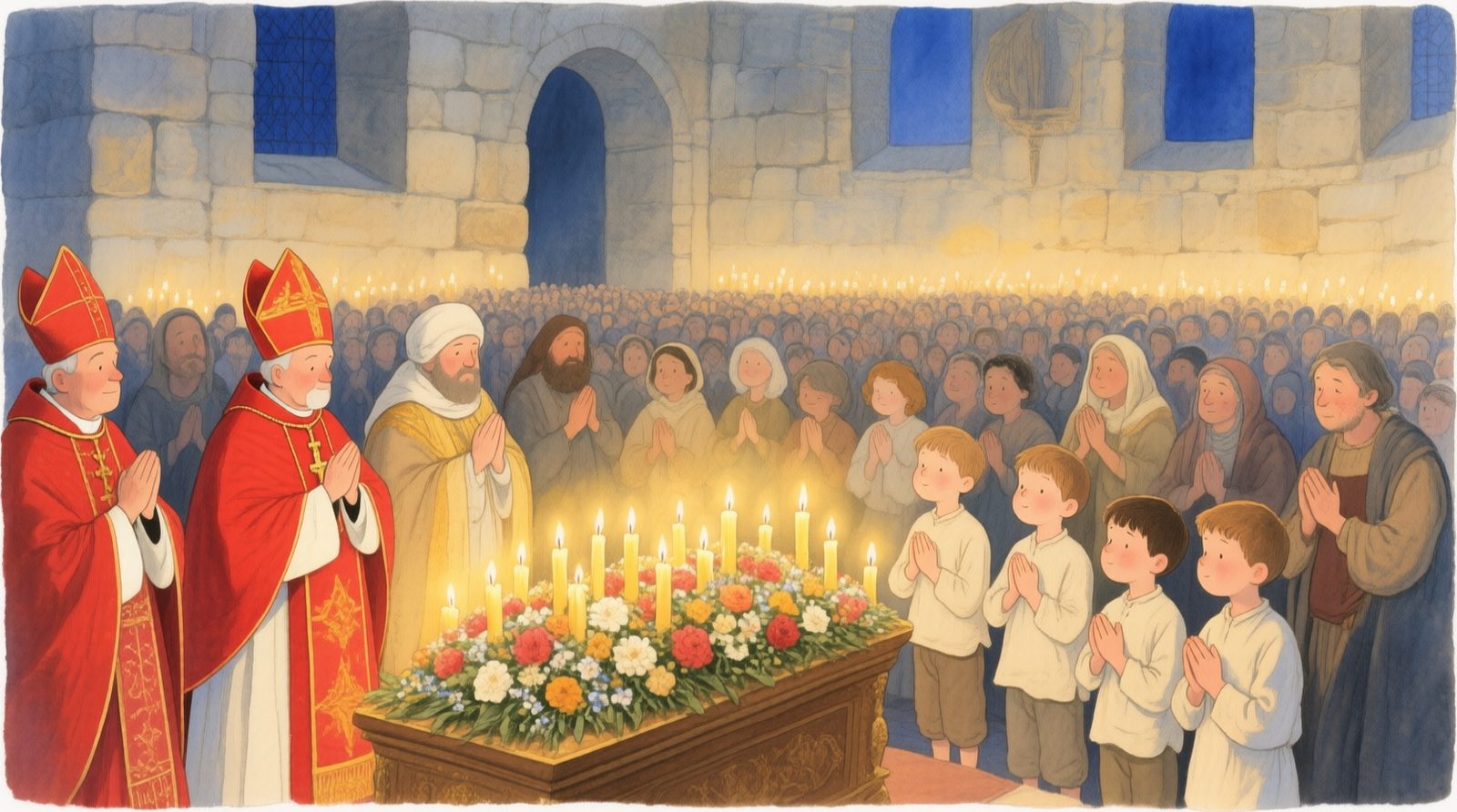
The news spread quickly, and all of Rome came to the funeral: cardinals and nobles, but above all the poor and the young, who wept for the father and friend they had lost. And amid the tears there was also a comfort everyone kept repeating: now we have a saint in heaven. The body lay in state, and thousands came to say goodbye.
Canonization and Legacy
In 1622, only twenty-seven years after his death, Philip was canonized — on the same day as Saint Ignatius of Loyola, Saint Teresa of Ávila and Saint Francis Xavier. Later, Saint Philip Neri was declared a patron of Rome, alongside Saint Peter and Saint Paul. Quite an honor for the playful priest of the streets.
The Legacy of Saint Philip Neri
Saint Philip left a precious legacy. He taught the Church to evangelize through joy and showed that holiness is not gloomy. He renewed sacred music, devoted his life to the young, and transformed Rome spiritually, one conversation at a time. He hid his gifts to remain humble, and proved that holiness is within everyone's reach.
Today, Saint Philip Neri is loved throughout the world. His feast, on May 26, is celebrated with joy, the Congregation of the Oratory carries on his work, and his spirit lives on: joy, music, charity, youth. As he himself used to say, with that smile of his: "Be good, if you can."
Moral of the Story


