
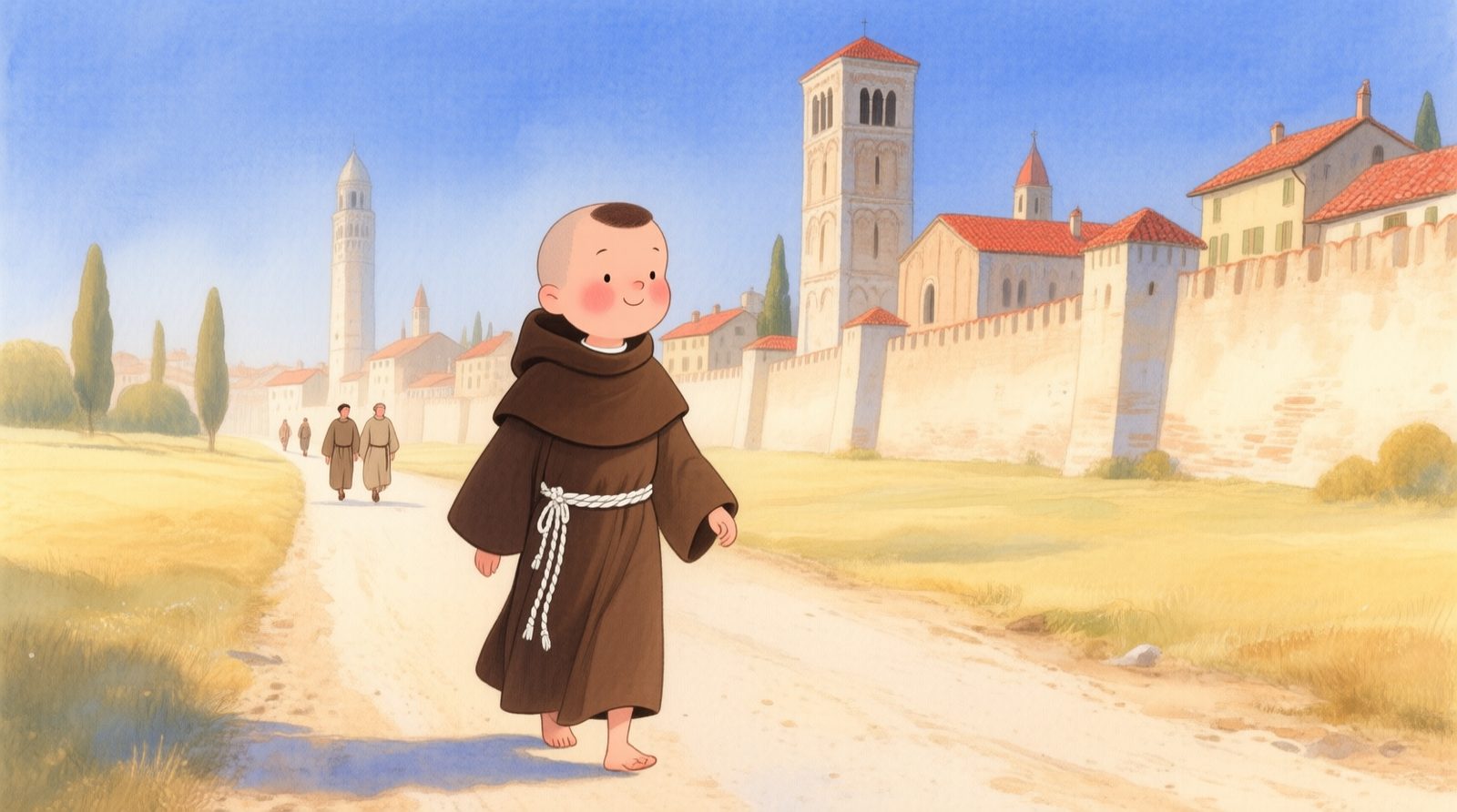
After years of preaching all over Italy, Friar Anthony arrived in 1227 in the city of Padua. It was an important and wealthy city, but spiritually sick: there was much sin, much injustice, many people led astray by heresies. Friar Anthony looked at it all and understood that there was much work to be done there. What he did not know was that he would spend his final years in Padua — and that he would be remembered forever as Saint Anthony of Padua.
The Preaching in Padua
In Padua, Friar Anthony preached every day, in squares, streets, and churches. He rose before dawn and spent his days preaching, hearing confessions, and teaching, eating little and sleeping even less. He lived entirely for souls. The crowds grew and grew — sometimes tens of thousands of people gathered, and he had to preach in the open air, because no church could hold so many.
His sermons were like the fire of the Holy Spirit. He named sin for what it was, called people to conversion, and explained the Bible in a way everyone could understand. Sinners wept and changed their lives. Men who had lent money at cruel interest gave back what they had taken from the poor. Feuding families made peace. Little by little, all of Padua was being transformed.
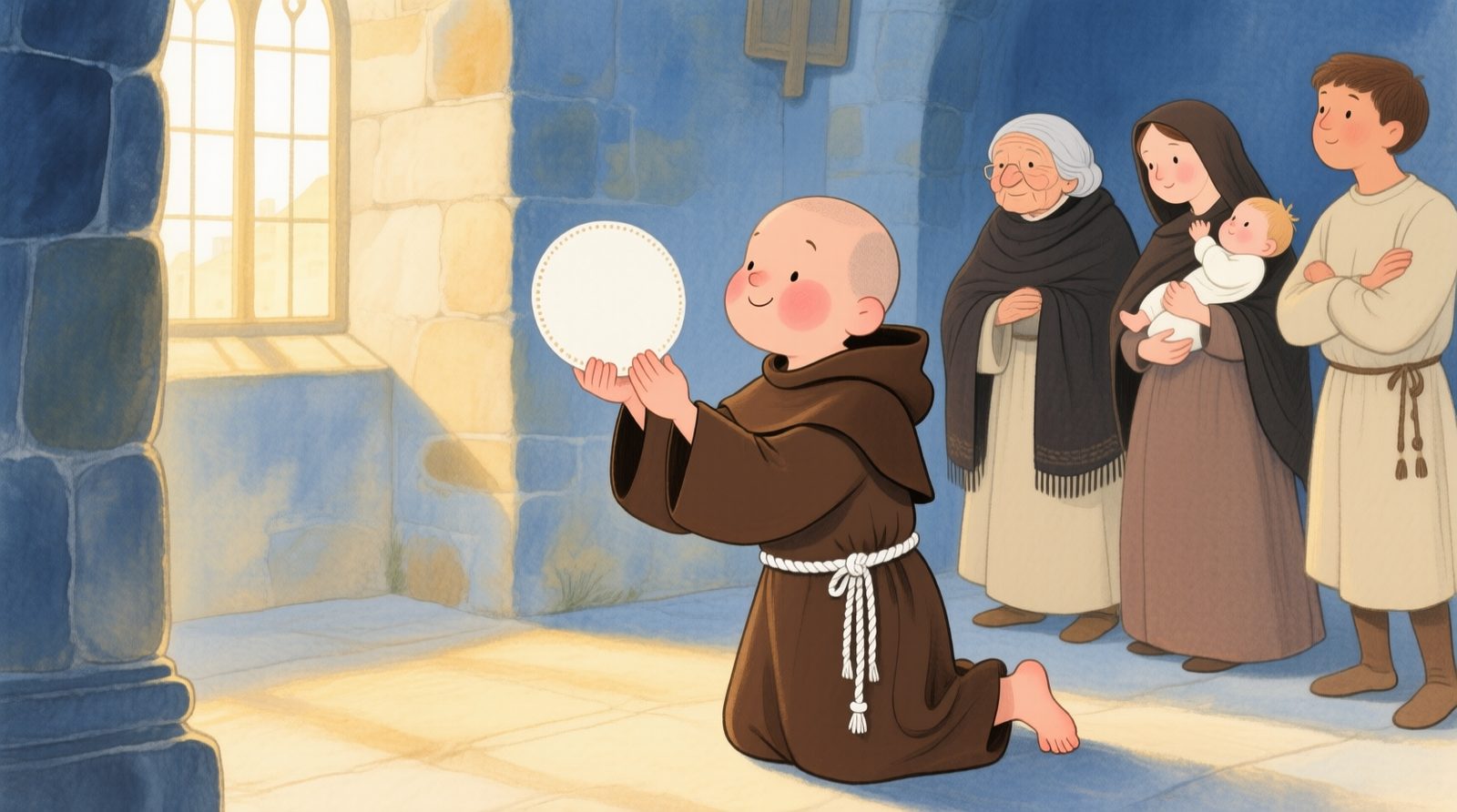
Friar Anthony had a special gift for defending the Eucharist. He preached that Jesus is truly present in the Host — Body, Blood, Soul, and Divinity — and that the consecrated Host is not a symbol or a simple reminder: it is Jesus Himself. This was tremendously important, because the heretics of that time said it was only bread. Friar Anthony answered them with wisdom and, when God willed it, with miracles.
The Miracle of the Mule
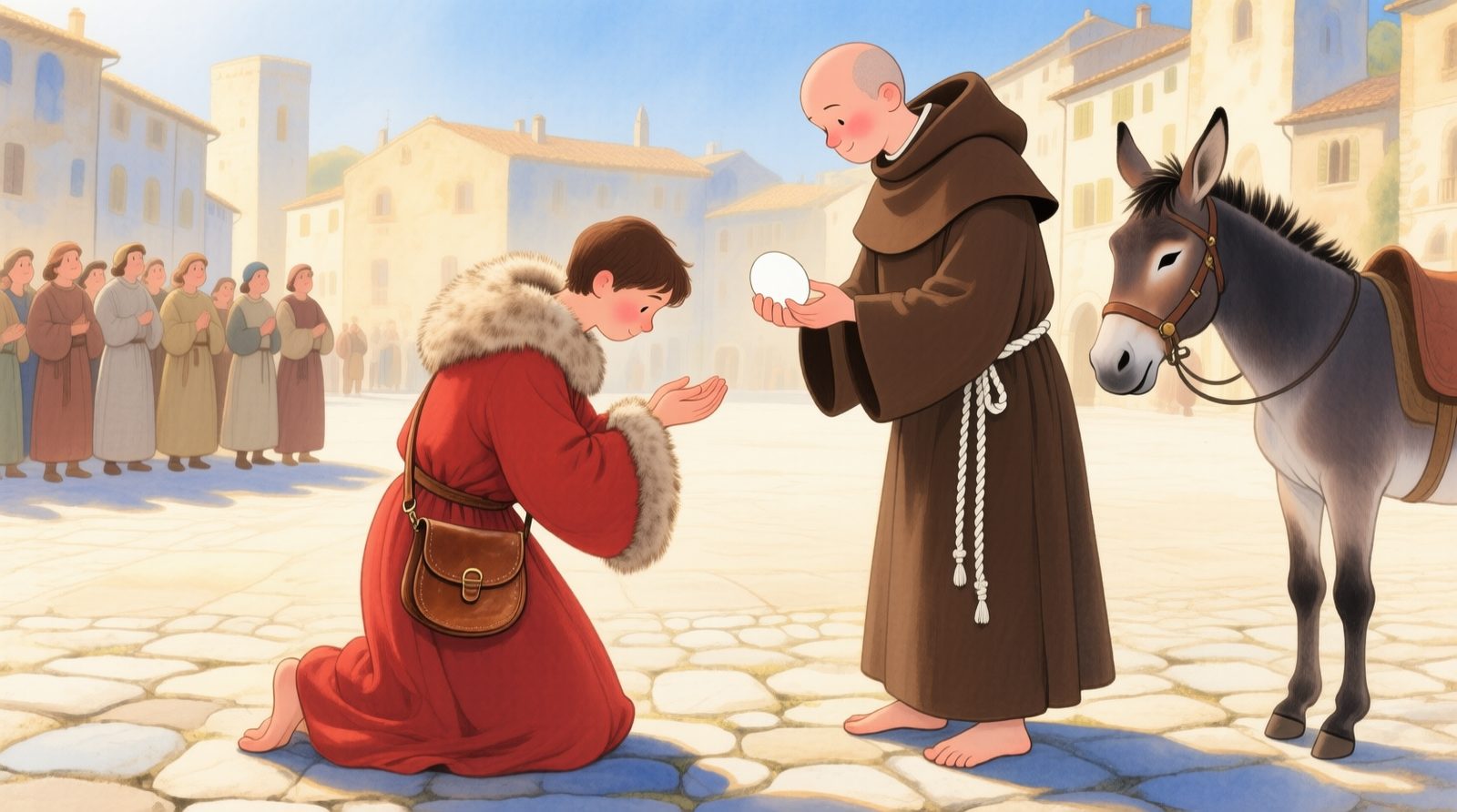
One day, a heretic named Bonvillo challenged Friar Anthony. If the Host was really Jesus, let him prove it. The heretic's plan was this: he would keep his mule three days without food, and then set food in front of it; Friar Anthony would bring the consecrated Host, and everyone would see what the mule chose. If the starving animal left the food to bow before the Host, Bonvillo promised to believe. Friar Anthony accepted the challenge.
On the appointed day, an enormous crowd gathered in the square, everyone eager to see what would happen. Bonvillo brought the mule, famished after three days without eating, and set before it a heap of fragrant, delicious food. The poor animal was desperate with hunger. Then Friar Anthony arrived, carrying with great reverence the Sacred Host in his hands.
Friar Anthony raised the Host and spoke to the mule:
"In the name of the Creator whom I, unworthy as I am, hold in my hands, I command you: come and pay the reverence that is due."
And then the miracle happened. The mule, in spite of its hunger, ignored the food completely. It walked straight to Friar Anthony, bent its front legs, and knelt down before the Host, bowing its head in reverence.
The crowd burst into shouts:
"A miracle! Even the mule recognizes Jesus in the Eucharist!"
Bonvillo fell to his knees, begging forgiveness, and declared before everyone that he believed: Jesus was truly present. He was converted in that very moment, and many other heretics with him. The miracle of the mule became one of Saint Anthony's most famous.
The Vision of the Child Jesus
On one of his journeys, Friar Anthony stayed at the house of a man named Tiso, in a little room upstairs. There he would pray for hours, study, and prepare his sermons. One night, Tiso heard voices coming from the friar's room and wondered: who could he be talking to at this hour? Full of curiosity, he peeked through the crack of the door.
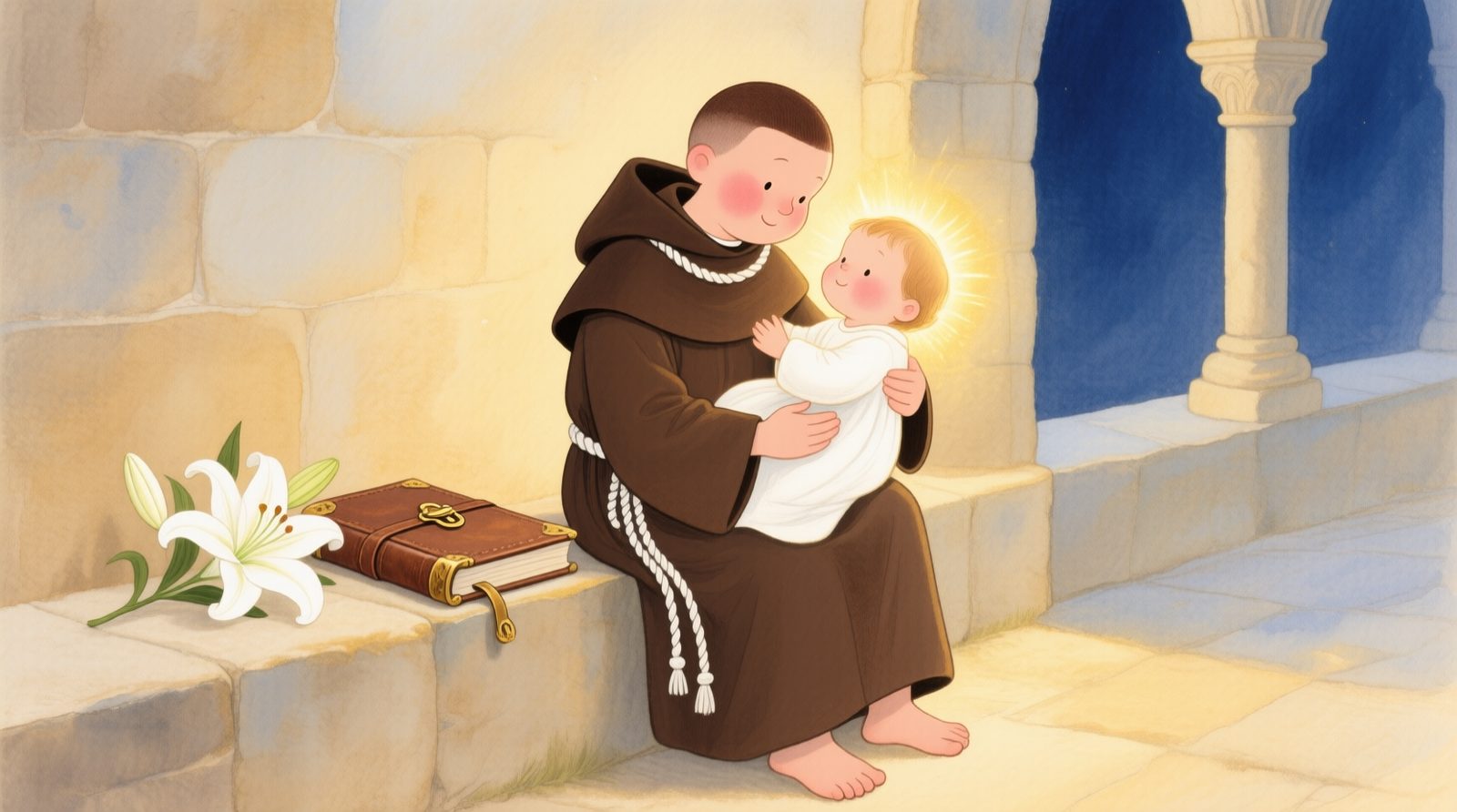
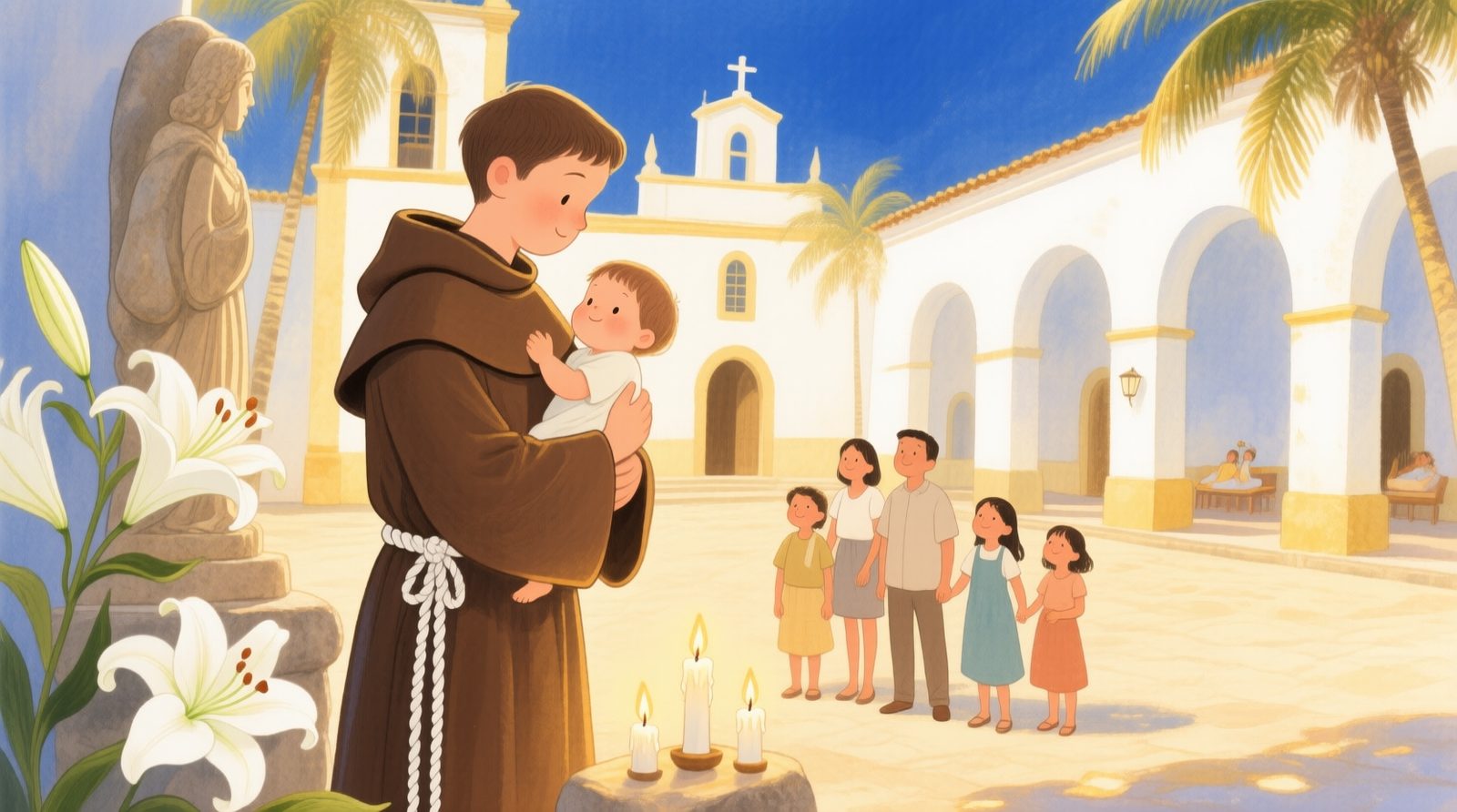
And he saw something extraordinary. Friar Anthony was holding a most beautiful Child in his arms, a Child who shone and filled the room with light. Friar Anthony embraced Him, kissed Him, and talked with Him, his face radiant with joy. It was the Child Jesus, who had come to visit him.
Tiso dropped to his knees, unable to say a word. When the vision faded, he ran to Friar Anthony, wanting to understand what he had seen. The friar, humble as ever, made him a single request: to tell no one as long as he lived. Tiso promised, and only revealed the secret after the saint's death. That is why, to this day, Saint Anthony is shown holding the Child Jesus in his arms.
The Extraordinary Miracles
During his life, Friar Anthony worked many, many miracles, and some became famous. It is told that at the funeral of a miserly man, he declared that the dead man's heart was not in his chest but in his money chest, next to the money he had loved so much — and when the chest was opened, there lay the heart. It is also told that a young man, sorry for having kicked his own mother, cut off his leg in despair; Friar Anthony prayed, set the leg back in place, and it was made whole. There was also the case of a woman who carried off a Host hidden in a glass: the glass shattered, and the Host remained untouched. And the sermon to the fish — that one we told in the first part.
The Gift of Bilocation
Saint Anthony even received from God the rarest of gifts, bilocation: appearing in two places at the same time. Once, he was preaching in a church in Padua when he remembered that at that very moment he was supposed to be in the choir of his convent, singing the office. And people testified that he appeared in the choir, sang his part, and at the same time went on preaching in the church. God worked wonders through His servant.
His Health Fails
So much work, however, slowly wore Friar Anthony out. He preached too much, fasted too much, slept too little. An illness called dropsy came upon him, swelling his body and making it hard to breathe, and with it came pain and weakness. Even so, he did not stop: he kept preaching, confessing, and serving, saying that as long as he had breath, he would preach.
June 13, 1231: His Death
In June 1231, Friar Anthony was very ill, and he sensed that he was going to die. He asked to be taken to the convent of the Poor Clare sisters at Arcella, near Padua, and there, in a simple little room, he calmly prepared to meet God. He went to confession, received the Eucharist, sang hymns, and prayed.
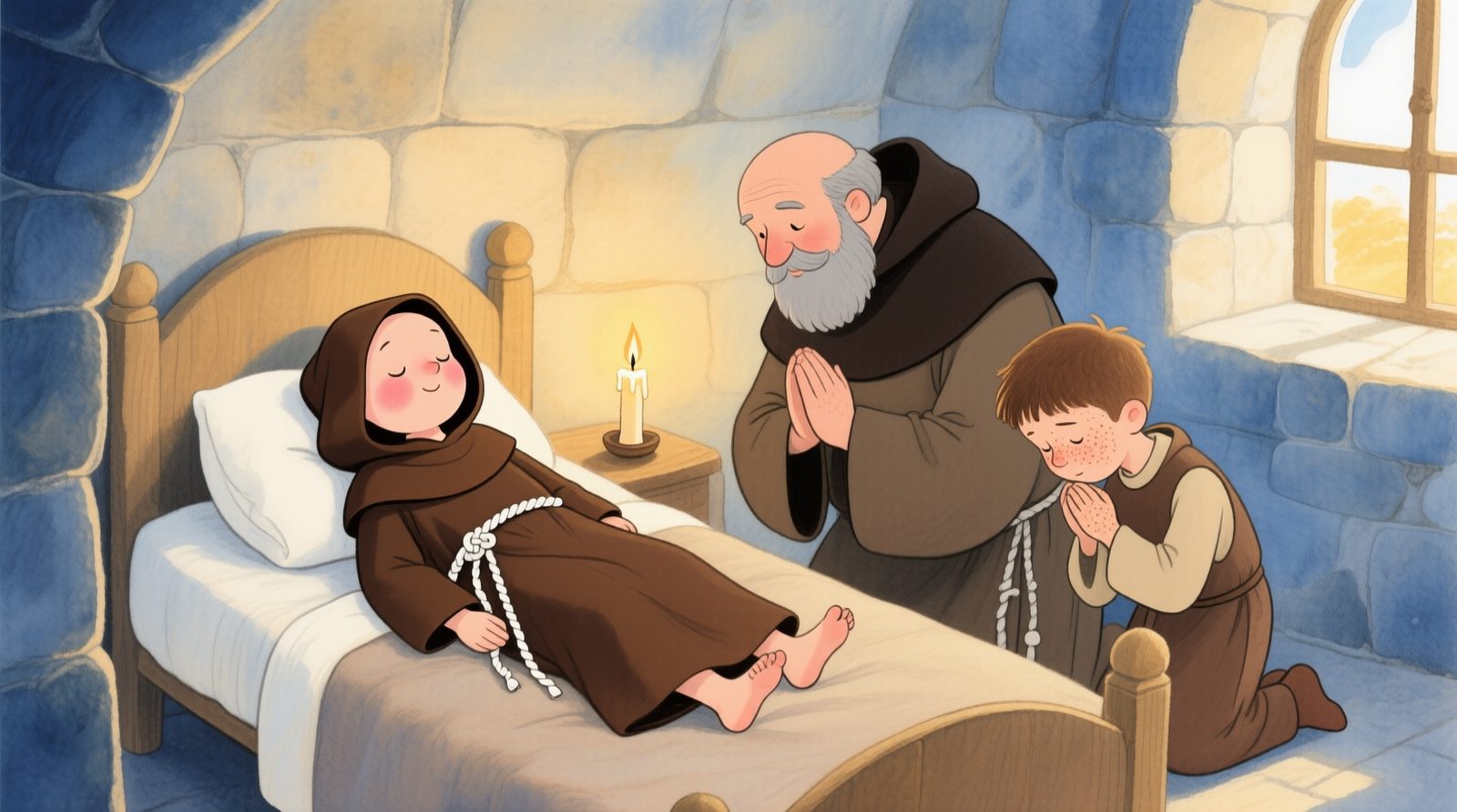
On the afternoon of June 13, the friars were praying around Friar Anthony's bed. Suddenly he lifted his eyes, and his face filled with light.
"I see my Lord," he murmured.
And singing a hymn to Our Lady, the "O Gloriosa Domina," Friar Anthony died in peace. He was only thirty-six years old. He lived a short time, but he filled that short time with great love.
It is said that at that very moment, the children of Padua, without anyone telling them anything, began running through the streets crying:
"The saint has died! The saint has died!"
And they say the church bells rang all by themselves, as if heaven itself were announcing that God's servant had come home to the Father's house.
The Funeral
The funeral was immense. All of Padua wept: rich and poor, nobles and simple folk, grown-ups and children — everyone felt they had lost a father and a protector. The body was carried in solemn procession, accompanied by thousands, and during the funeral several miracles took place: the sick were healed and the troubled found peace.
May 30, 1232: A Record Canonization
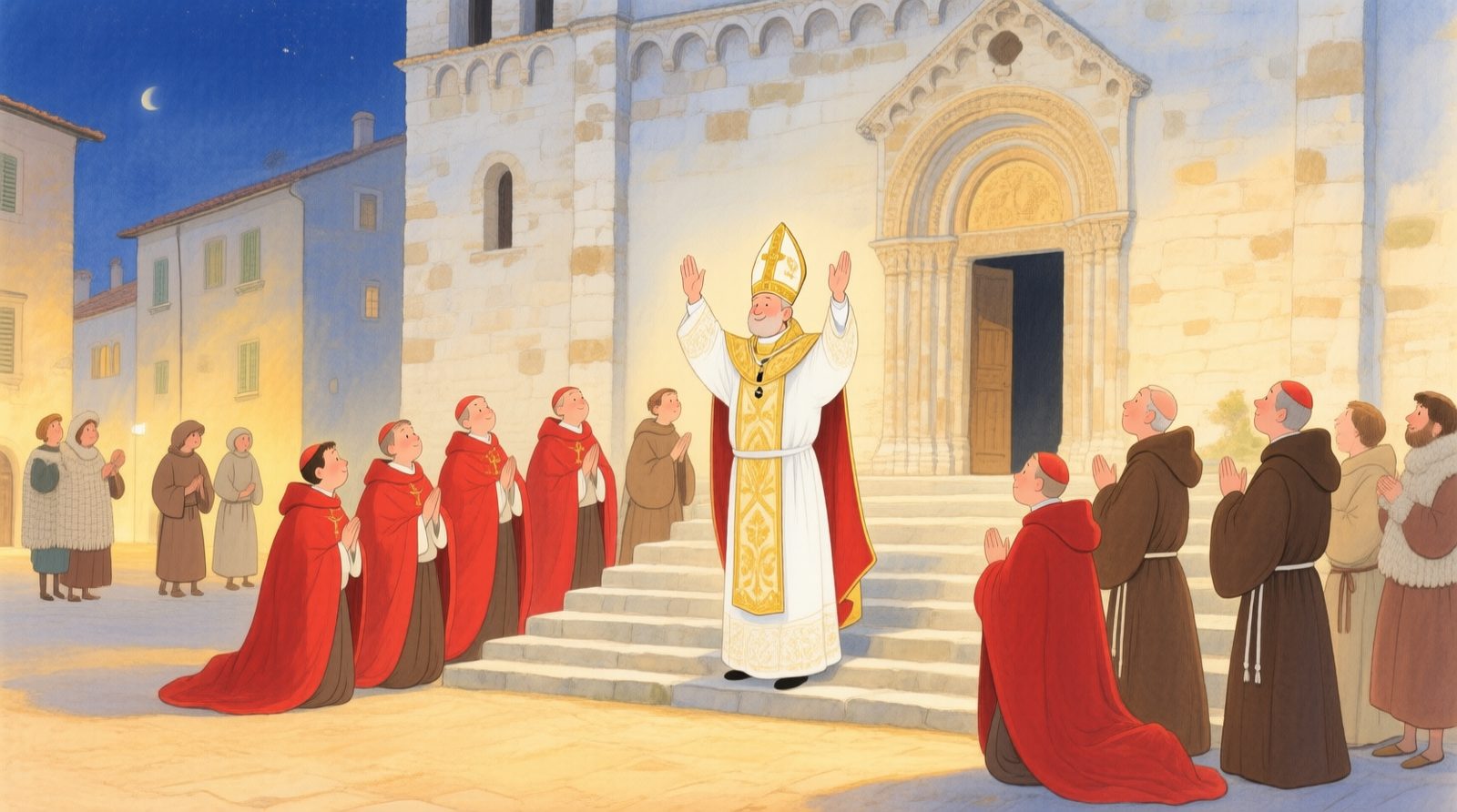
Less than a year after his death, something extraordinary happened: Pope Gregory IX canonized Friar Anthony. It was the fastest canonization in history up to that time — such processes usually took decades or centuries. But the miracles were so many, and the holiness so clear, that the Pope had no doubt. Friar Anthony was now Saint Anthony of Padua.
The Incorrupt Tongue
In 1263, thirty-two years after his death, it was decided to move Saint Anthony's remains to a new resting place. When the tomb was opened, the body had crumbled away, as is natural. But there was a surprise that filled everyone with wonder: the saint's tongue was perfectly preserved, red and soft, as if it were still alive.
Saint Bonaventure, the great Franciscan saint who was present, took the tongue in his hands and exclaimed, deeply moved:
"O blessed tongue, that always praised the Lord and taught others to praise Him! Now it is plain how precious you were in the sight of God."
The tongue that had preached so wonderfully was preserved by God, and to this day it can be seen in the Basilica of Saint Anthony in Padua, where millions of pilgrims venerate it.
Saint Anthony and Lost Things
Do you know why we ask Saint Anthony for help when we lose something? The most famous story is the one about the book of psalms. A novice ran away from the convent, taking Saint Anthony's prayer book with him — and in those days, books were extremely rare, copied by hand, a true treasure. Saint Anthony prayed for the book to come back. The novice, seized by remorse and a great fright in his conscience, returned the book and even came back to the convent. Ever since, Saint Anthony has been invoked to find what is lost.
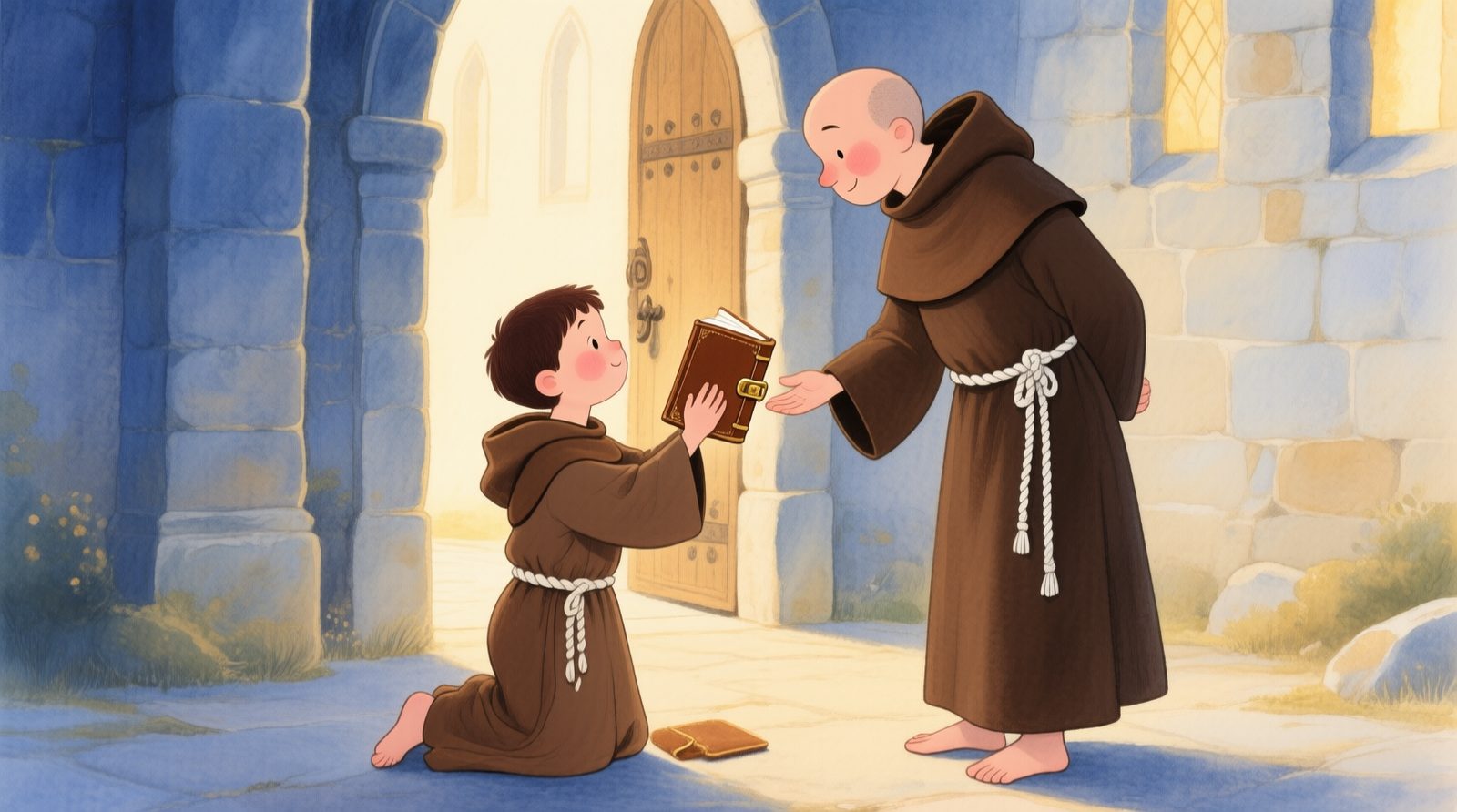
But the meaning goes deeper than it seems. Saint Anthony does not only help find lost objects: he intercedes for lost souls — people lost in sin, in doubt, in discouragement. He helps them find themselves again and return to God. That is why this devotion is so beautiful.
Doctor of the Church
In 1946, Pope Pius XII declared Saint Anthony a Doctor of the Church, with the title of Evangelical Doctor. His sermons and teachings explain the Gospel with rare clarity, joining the wisdom of the great theologians with the simplicity of one who speaks straight to the hearts of ordinary people.
The Basilica of Padua
In Padua, the people built a magnificent basilica dedicated to Saint Anthony, one of the most beautiful churches in the world. There you can find the saint's tomb, the incorrupt tongue, and other relics, kept in splendid chapels. About five million pilgrims visit the basilica every year, making it one of the most visited shrines in the whole world.
Saint Anthony Today
Today, Saint Anthony is one of the most popular and beloved saints in the world, held especially dear in Brazil and Portugal. Millions of people pray the Trezena — thirteen days of prayer before his feast on June 13 — and ask his intercession to find lost things, to find a good marriage, for the conversion of sinners, and for so many other needs of life.
Saint Anthony's Bread
There is also a lovely tradition called Saint Anthony's Bread. In thanksgiving for graces received, people donate bread to be given to the poor. The tradition began because Saint Anthony loved the poor and always shared food with those in need. Today, millions of loaves are given away every year in his name.
Saint Anthony's Tuesdays
Tuesday is the day dedicated to Saint Anthony, and many churches celebrate a special Mass in his honor on that day, with blessings and novenas. The tradition goes back a long way: it was on a Tuesday that Saint Anthony was buried, and so many miracles happened that day that the people never forgot it.
The Legacy of Saint Anthony
What remains of Saint Anthony's life? The example of a genius who stayed simple, of a preacher who converted thousands of people with his words and his love. His passionate defense of Jesus present in the Eucharist, his zeal for souls, the miracles God worked through his hands. He died young, at thirty-six, but his legacy has crossed almost eight hundred years and is still alive on every continent.
Reflection


